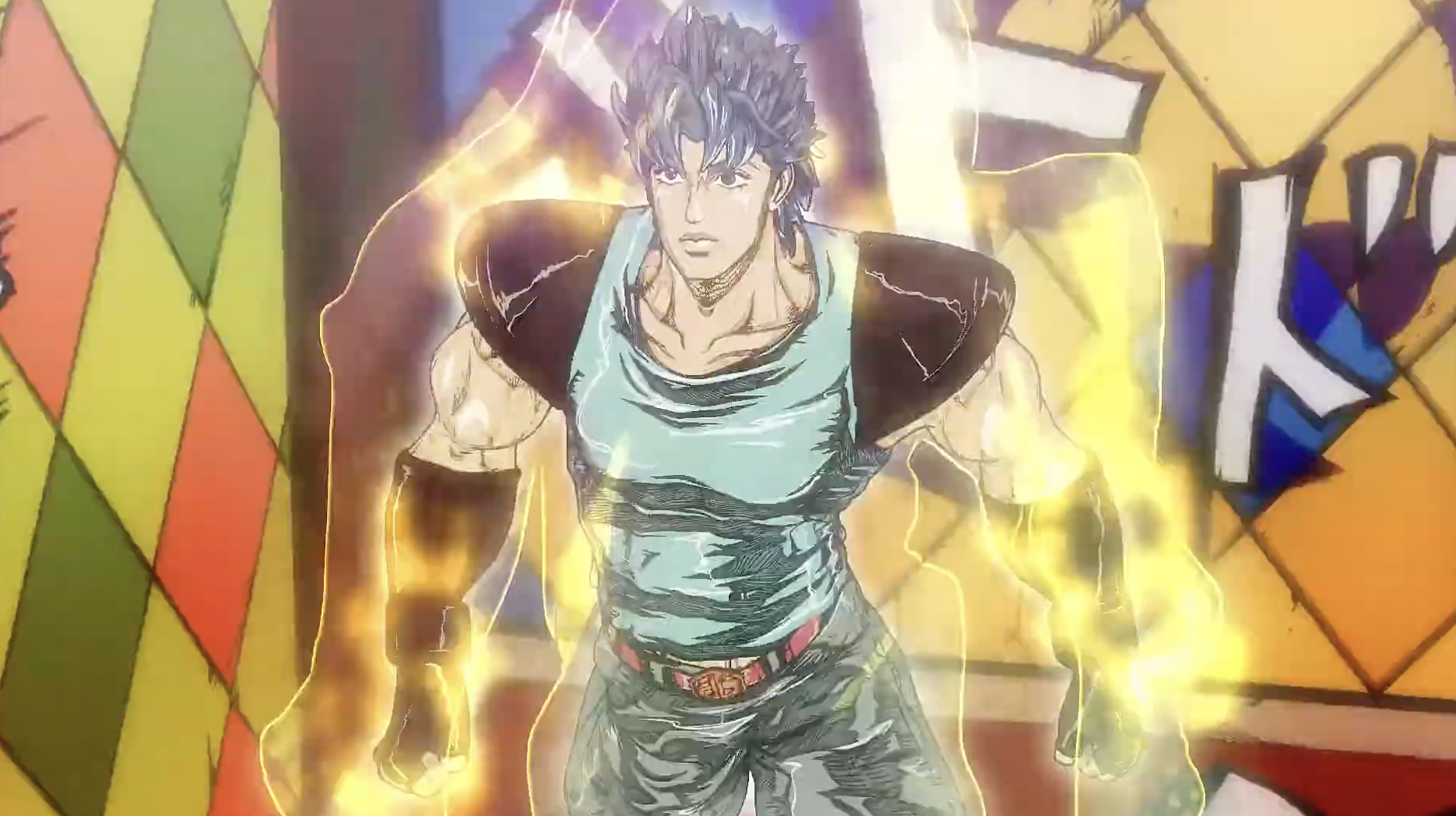
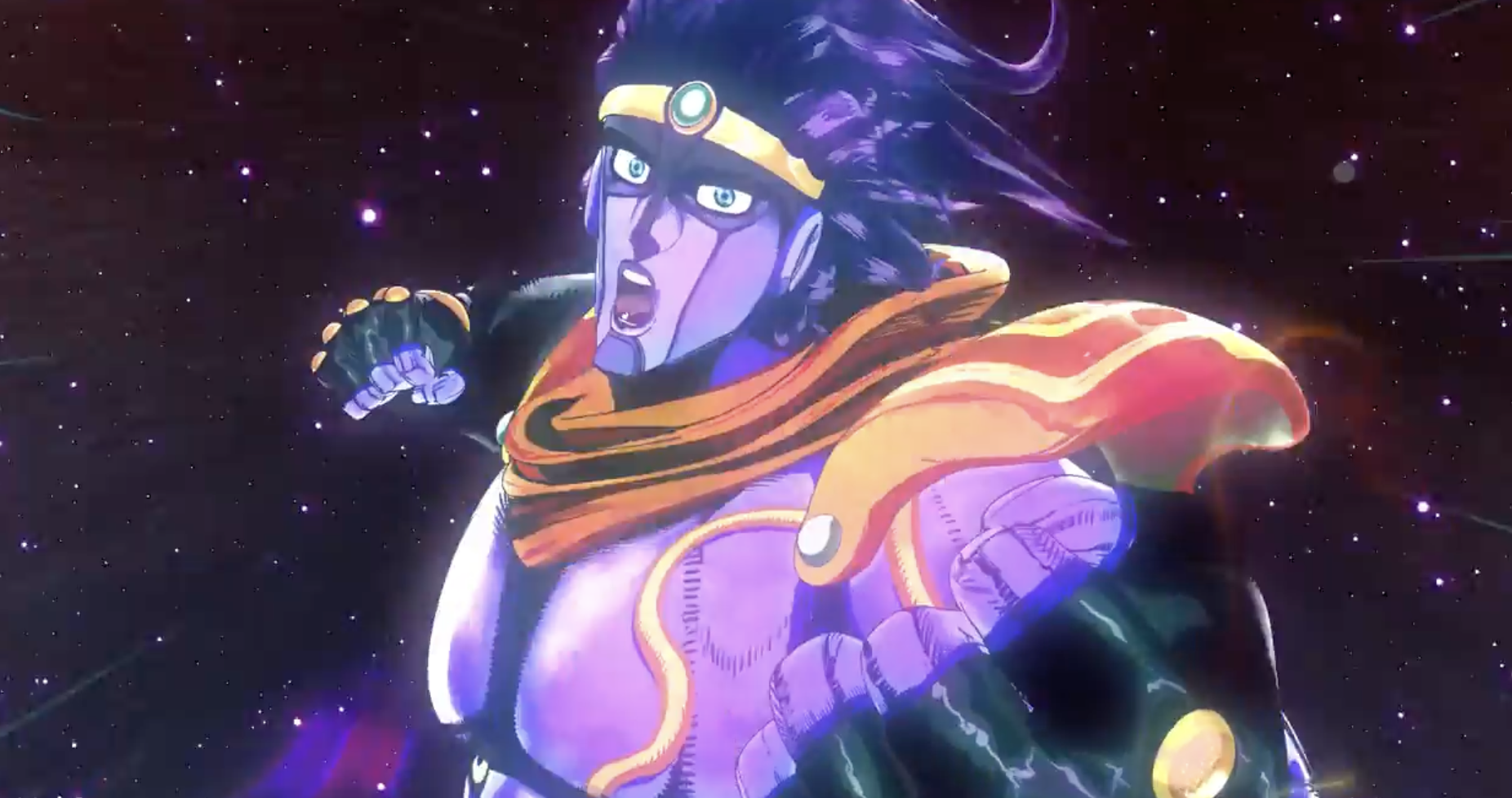
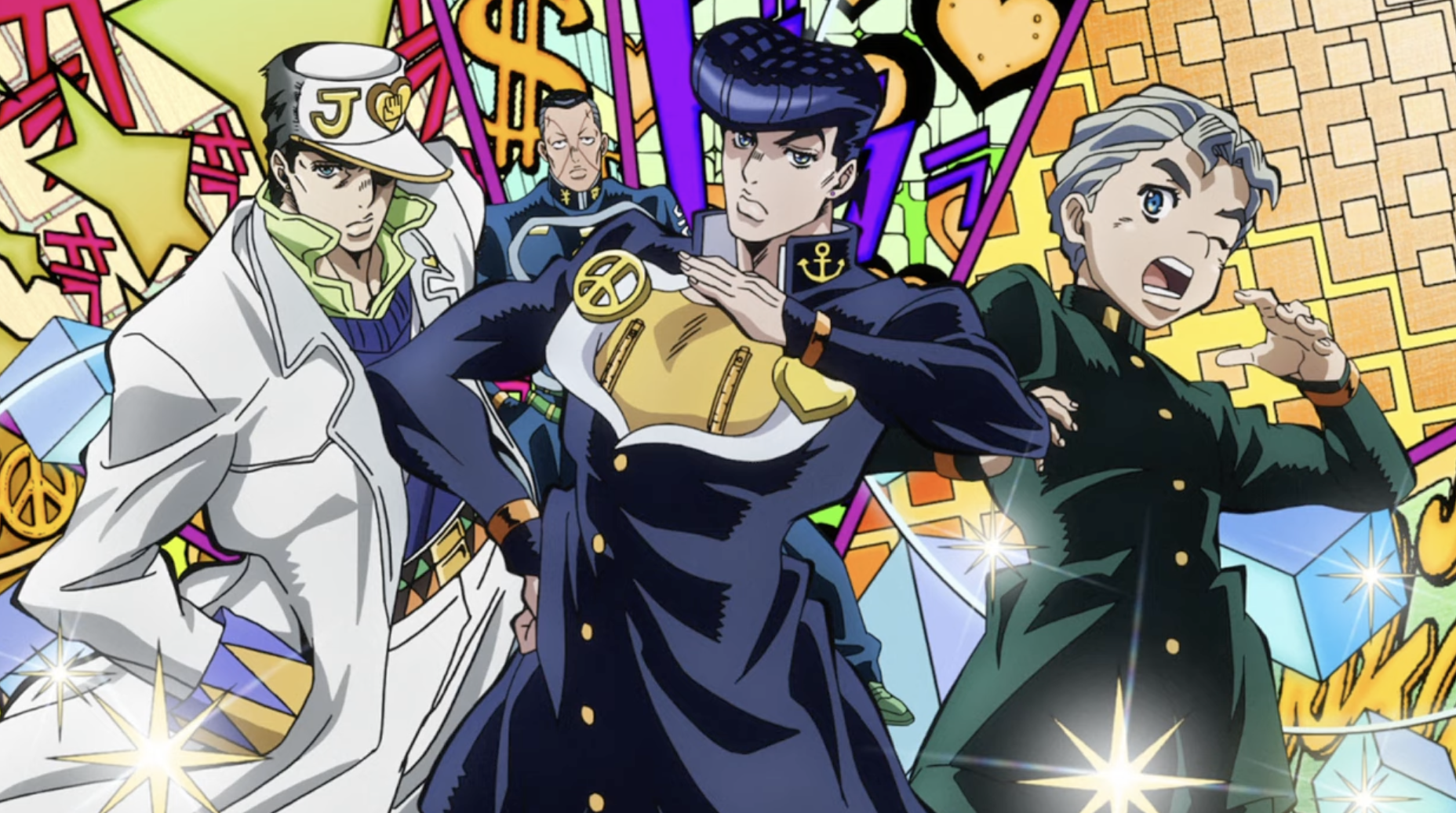
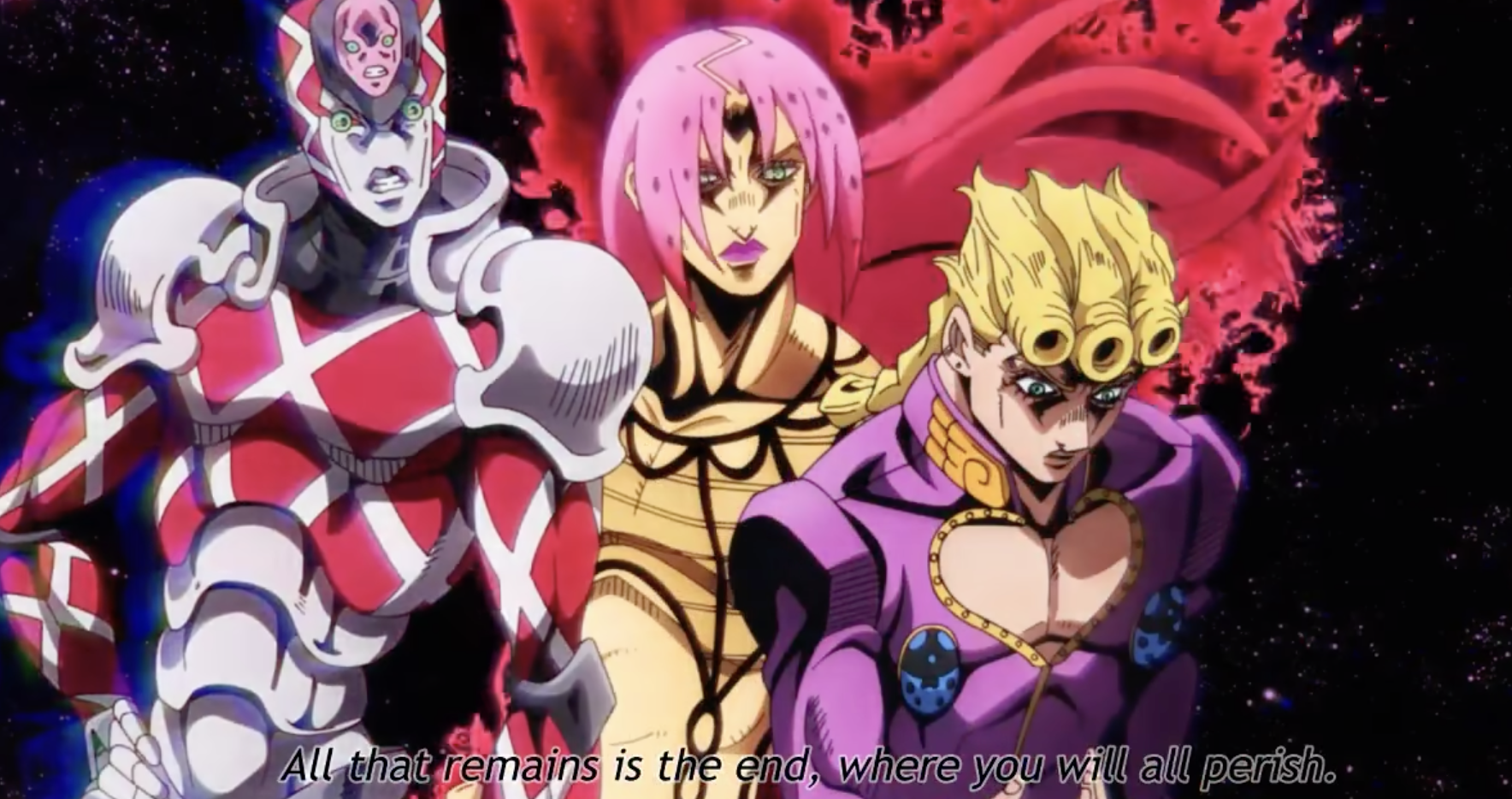
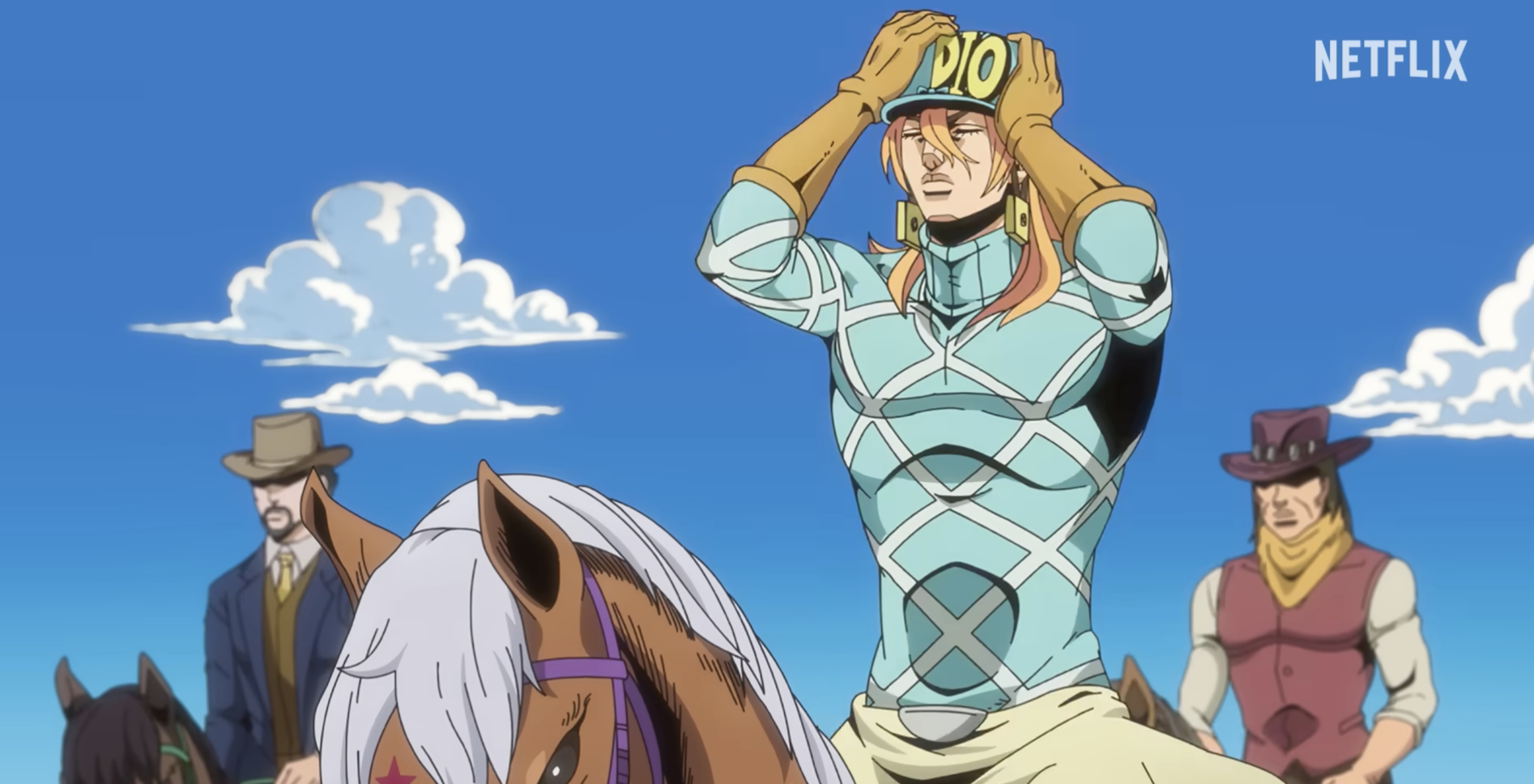
Phantom Blood: Gothic Horror, Hamon, and the Birth of a Bloodline JoJo’s Bizarre Adventure starts like a classic Victorian horror novel that accidentally binge watched pro wrestling and kung fu flicks. “Phantom Blood,” set in 1880s England, introduces Jonathan Joestar, the original JoJo, and his toxic foster brother turned eternal nemesis, Dio Brando. Hirohiko Araki launched the manga in Weekly Shonen Jump in 1987, and this first arc reads like a collision of Bram Stoker and Fist of the North Star, with Araki’s signature fashion-forward weirdness already peeking through. The story orbits the Stone Mask, an ancient artifact that transforms Dio into a vampire, and Hamon, a breathing-based martial art that channels life energy through the body. Araki has said he was heavily influenced by Western films and classical art, and that mix is obvious in Phantom Blood’s gothic mansions, foggy graveyards, and operatic melodrama. The anime adaptation, produced by David Production, aired in 2012 as part of the first season and gave Phantom Blood a neon-soaked makeover, maintaining the tragic core of Jonathan’s story while updating the pacing and visual flair for modern audiences. The arc is short by shonen standards, but it establishes JoJo’s core themes: family legacy, bizarre supernatural systems, and the idea that style and posing are at least as important as raw power. Sources such as Araki’s own book “Manga in Theory and Practice” and interviews collected in “JoJo 6251” highlight how Jonathan was intentionally written as a classically noble hero, in contrast to the far more morally ambiguous JoJos that would follow. Battle Tendency: Pulp Adventure, Pillar Men, and Araki Unleashed “Battle Tendency” shifts the tone hard into globe-trotting pulp action, with Jonathan’s grandson Joseph Joestar taking the lead in the late 1930s. Where Jonathan is stoic and honorable, Joseph is a trash-talking trickster who weaponizes bluffing and misdirection as much as Hamon itself. According to Araki in various Shueisha interviews, Joseph reflects his desire to create a protagonist who survives through wits instead of simple brawn. The plot pits Joseph and his allies against the Pillar Men, ancient super beings awakened in Mexico and Europe who seek the Red Stone of Aja to perfect their power. Characters like Kars, Esidisi, and Wamuu bring a sense of mythic menace, while the story crisscrosses New York, Rome, Switzerland, and beyond, echoing classic adventure serials and World War II era pulp. The anime, which aired in 2012–2013 as the second part of the first JoJo season, amplifies the humor and creativity of Joseph’s battles, like the fight on the cable car and the chariot duel in the Colosseum. Critics and fans often point to Battle Tendency as the point where Araki’s “anything goes” imagination fully ignites: you get cyborg Nazis, ancient super vampires, and tactical use of a clacker toy as a lethal weapon. Academic commentary on JoJo, such as the essays in “The Art of JoJo’s Bizarre Adventure,” often highlight Battle Tendency’s blend of slapstick, horror, and war-era tension as a unique tonal cocktail that foreshadows the franchise’s long-term identity. Stardust Crusaders: The Road Trip That Redefined Shonen Combat “Stardust Crusaders” is the franchise’s breakout hit and the arc that permanently rewired the battle systems of mainstream shonen. Debuting in 1989, it introduced Stands, psychic manifestations that fight in your place and embody aspects of your soul. Araki has said in interviews compiled in “JoJo A-Go! Go!” that Stands allowed him to escape the limitations of physical techniques and aging bodies, opening the door to endless power variations. The story follows Jotaro Kujo, a delinquent high schooler in Japan, who must travel from Tokyo to Egypt with his grandfather Joseph and a squad of misfit allies to defeat a resurrected Dio and save his mother. The journey structure gives the anime, which aired from 2014 to 2015, a monster-of-the-week rhythm as the group faces enemy Stand users across Asia, the Middle East, and Africa. Stands such as Star Platinum, The World, Hierophant Green, and The Fool became genre icons, influencing later series that use partner spirits and complex ability systems. Publications like Anime News Network and Polygon have repeatedly cited Stardust Crusaders as a foundational work for modern battle anime, particularly for its emphasis on strategic, puzzle-like fights rather than simple power scaling. The arc’s cross-cultural locations and references to Western music and film also showcase Araki’s global sensibilities, with many Stands and characters named after rock bands and songs, a trademark that continues throughout the series. The final confrontation between Jotaro and Dio in Cairo, involving time-stopping powers and ruthless mind games, remains one of the most cited climaxes in anime history. Diamond Is Unbreakable: Small-Town Mystery and Slice-of-Life Surrealism “Diamond Is Unbreakable,” serialized from 1992 to 1995 and adapted as an anime in 2016, reinvents JoJo yet again by dialing the scope down to one fictional Japanese town: Morioh. Instead of a world tour, we get a supernatural slice-of-life murder mystery set in a place that feels like Araki’s love letter to suburban Japan and David Lynch style weirdness. The new protagonist, Josuke Higashikata, is a pompadoured high schooler with the Stand Crazy Diamond, which can repair or restore objects and even heal injuries. That power choice, Araki has noted in interviews, intentionally contrasts with the destructive nature of most combat abilities and allows for creative, nonlethal solutions. The arc balances low-key episodes about lotteries, Italian restaurants, and summer hijinks with the creeping dread of a serial killer, Yoshikage Kira, whose Stand Killer Queen can turn anything into a bomb. Critics, including writers for outlets like Crunchyroll News and The Guardian’s anime columns, have praised Diamond Is Unbreakable for its structural experimentation and its emphasis on community, identity, and the hidden darkness under everyday life. Visually, the anime leans into pastel palettes and bold color shifts that mirror Araki’s evolving art style from muscular realism to more fashion-centric, androgynous designs. Many fans now consider this arc the emotional heart of the series, where the bizarre finally fuses seamlessly with the mundane, creating a uniquely intimate kind of epic. Golden Wind: Gangsters, Identity, and the Operatic Tragedy of Power “Golden Wind” or “Vento Aureo,” serialized from 1995 to 1999 and adapted into anime from 2018 to 2019, takes JoJo to Italy for a stylish crime saga that feels like a mashup of mafia cinema and surreal superhero drama. The protagonist, Giorno Giovanna, is the son of Dio Brando conceived using Jonathan Joestar’s stolen body, a detail confirmed in the manga and official guidebooks, which makes him a living embodiment of the series’ tangled bloodline. Giorno’s goal is not simple domination but to reform the Passione crime syndicate from within and purge its drug trade that harms children. His Stand, Gold Experience, can give life to inanimate objects, leading to some of the most imaginative battlefield tactics in the series. The arc follows Giorno and Bruno Bucciarati’s crew as they escort a mysterious girl, Trish Una, and climb Passione’s hierarchy, all while being hunted by Stand-using assassins. Scholars and critics, such as those writing in the “Mechademia” journal and large anime portals, have noted Golden Wind’s intense focus on found family, sacrifice, and the blurred line between heroism and criminality. David Production’s adaptation is particularly praised for its kinetic direction, color design, and musical cues, which give every battle a heightened, almost operatic tension. The final confrontation with the boss, Diavolo, and the awakening of Gold Experience Requiem push the power system into metaphysical territory, dealing with causality and fate in ways that cement Golden Wind as one of the most thematically ambitious parts of JoJo. Stone Ocean: Inheritance, Fate, and the End of a Universe “Stone Ocean,” serialized from 2000 to 2003 and finally adapted as an anime by David Production and Netflix from 2021 to 2022, marks a historic first for the franchise: a female JoJo at center stage. Jolyne Cujoh, daughter of Jotaro, is framed for a crime and thrown into Green Dolphin Street Prison in Florida, where she awakens her Stand Stone Free, which lets her unravel her body into string. Araki has said in interviews that he wanted to challenge shonen norms by featuring a woman as the main heroic figure, and Jolyne’s arc is widely celebrated for its resilience and emotional complexity. The story pits her and her allies against Enrico Pucci, a priest and devoted follower of Dio, whose Stand powers evolve into the reality bending Made in Heaven. Stone Ocean leans heavily into themes of destiny, sacrifice, and the idea of moving forward despite inevitable loss. Critics at outlets like Anime News Network and IGN have noted that the prison setting and escalating cosmic stakes make Stone Ocean one of the most intense and experimental JoJo parts. The anime’s release strategy as a Netflix exclusive, with episodes dropped in batches, sparked debate among fans and industry watchers about binge models for long-running series. Narratively, Stone Ocean concludes the original Joestar bloodline saga in a bold, divisive way that resets the universe, a move that Araki has discussed as both an artistic refresh and a way to explore new possibilities without being bound by decades of continuity. Racing into the Future: Steel Ball Run, JoJolion, and The JOJOLands With Stone Ocean’s universe shift, the anime has a wild new frontier ahead. “Steel Ball Run,” which began in 2004 and is often ranked by fans and critics as one of the best JoJo arcs, reimagines the franchise in an alternate 1890s America during a transcontinental horse race. The protagonist, Johnny Joestar, and the mysterious Gyro Zeppeli navigate a story steeped in political intrigue, theology, and the evolution of the Stand system into something more abstract and metaphysical. Publications like Anime News Network, Polygon, and numerous critical blogs have praised Steel Ball Run’s storytelling and artwork as Araki’s creative peak. Although no official anime adaptation has been announced as of late 2024, merchandising trends, ongoing popularity, and the consistent progression of David Production through the parts strongly suggest Steel Ball Run is the most likely next project. Following that, “JoJolion,” which ran from 2011 to 2021, is a dense, puzzle-like mystery set in a post-earthquake version of Morioh and focuses on identity, memory, and family secrets, with a protagonist known as Josuke Higashikata who is not quite who he seems. Finally, “The JOJOLands,” which began serialization in 2023, returns to a more overtly adventurous tone in a Hawaiian setting and has already generated buzz for its fresh cast and connections to previous parts. While there are no confirmed anime plans yet for JoJolion or The JOJOLands, the franchise’s enduring global popularity, strong manga sales reported by Shueisha, and the successful reception of every prior adaptation make it likely that we will eventually see these arcs animated. For now, the future of JoJo’s Bizarre Adventure exists in a tantalizing limbo, where fans pore over Araki’s interviews, production rumors, and release patterns, waiting for the next official word that the Steel Ball Run horses will finally thunder onto our screens.
 The Bizarness of Jojo's Bizarre Adventure