 The Top Five Most Iconic Bob's Burgers Episodes
The Top Five Most Iconic Bob's Burgers Episodes
By: Sarah Osmond, Published November 14 2025
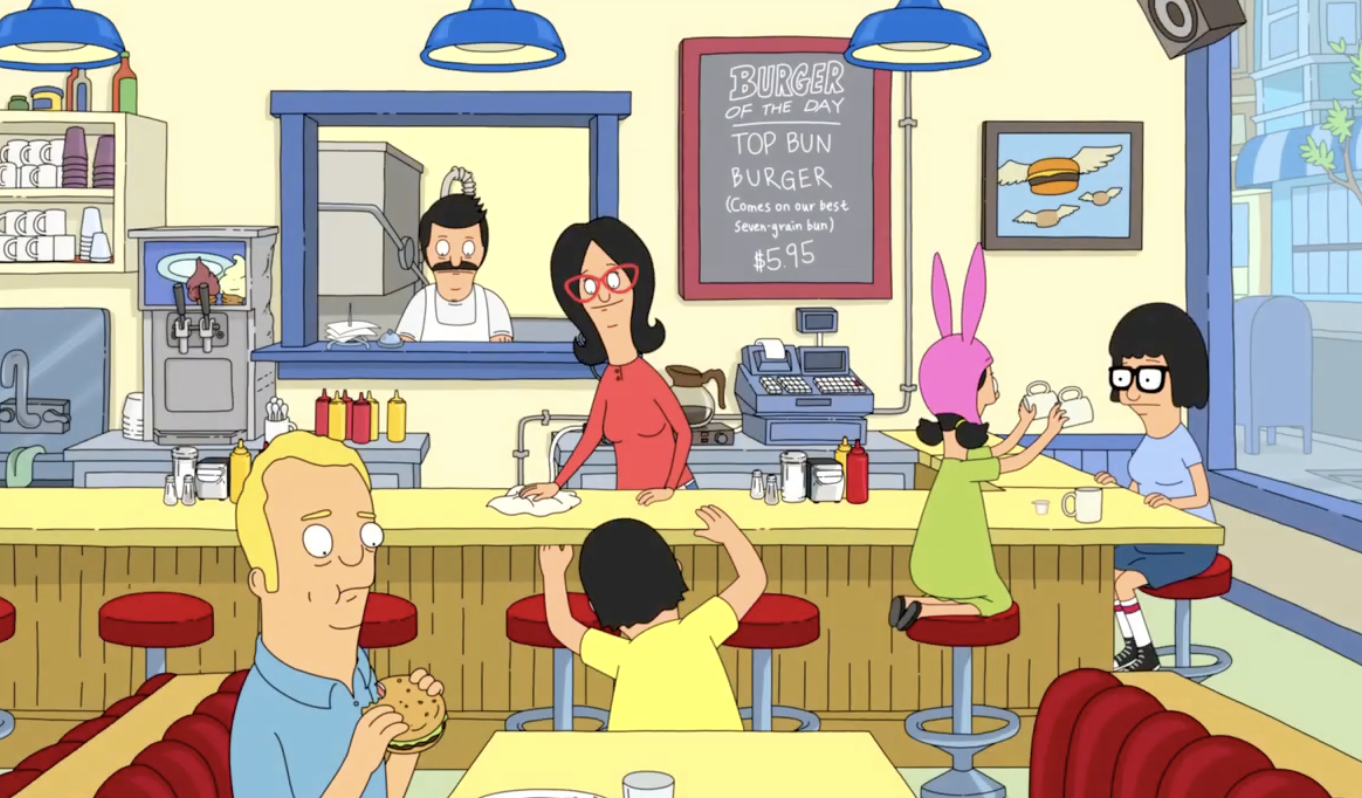
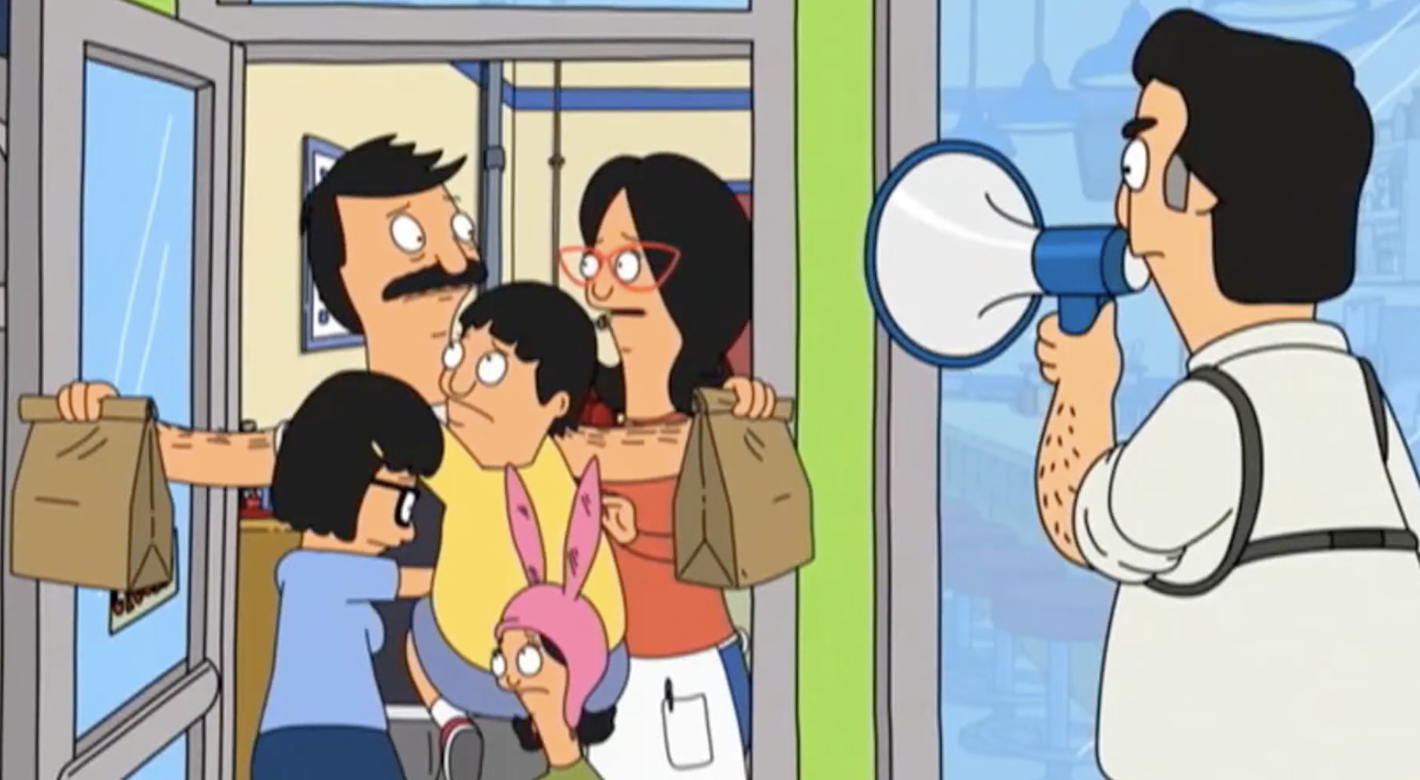
The sentimentality hits hardest when Bob starts advocating for Mickey’s safety, even as the police misread the situation. It becomes clear Bob recognizes a version of himself in Mickey: a man who’s struggling financially, whose dreams haven’t exactly turned out as planned, and who is one bad break away from disaster. There’s a tenderness in the way Bob tries to humanize Mickey to the officers outside and to his own family watching in horror from the restaurant window. The emotional undercurrent is about solidarity among the downtrodden—Bob isn’t condoning the crime, but he can’t help seeing the person behind the ski mask. It’s working-class empathy wrapped in absurd comedy.
While “Bob Day Afternoon” didn’t rack up awards on its own, critics flagged it early as proof that Bob’s Burgers was more than just a quirky newcomer. The A.V. Club gave the episode a positive review, praising its “surprisingly sweet” dynamic between Bob and Mickey and highlighting how the show balances danger with warmth. Bill Hader’s performance as Mickey became popular enough that the character returned in later seasons, another sign of how audiences connected with this oddball criminal who just needed someone—namely Bob—to treat him like a human being. The episode helped solidify the show’s identity: even the guy robbing the bank next door is worthy of compassion.
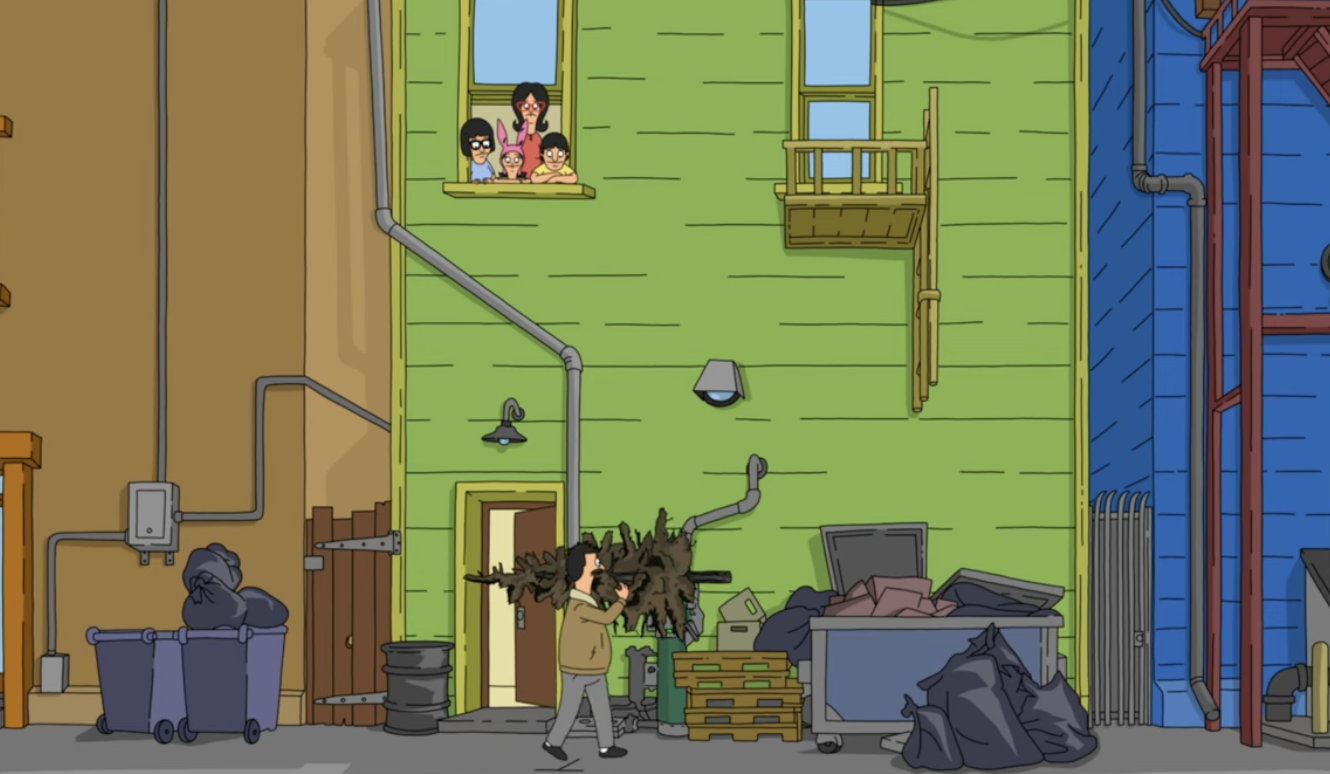
The emotional payoff comes in the way the Belchers close ranks under pressure. Bob and Linda, exhausted and frazzled, still keep trying to give their kids a “real” Christmas, even as the night spirals into a bizarre chase scene. The kids, for their part, are scared but also weirdly thrilled, because any time together—no matter how messed up—is still an adventure. By the time the family confronts the trucker and makes it home, the episode has quietly made its point: the perfect holiday isn’t about flawless decor or a pristine tree; it’s about surviving the mess together. That imperfect, scrappy togetherness is the show’s emotional signature.
“Christmas in the Car” quickly became a fan-favorite holiday episode and has been singled out in several lists of best Bob’s Burgers Christmas stories. Outlets like Paste and Vulture have praised the episode for capturing the stress-and-love cocktail of real family holidays, noting how it balances genuine peril with heart and humor. While it didn’t snag specific awards, the episode aired during a period when Bob’s Burgers was cementing itself as a perennial Emmy contender for Outstanding Animated Program, a category the show would win in 2014 and 2017 according to the Television Academy’s official records. This episode is an example of why: it blends genre parody with a core of emotional authenticity.
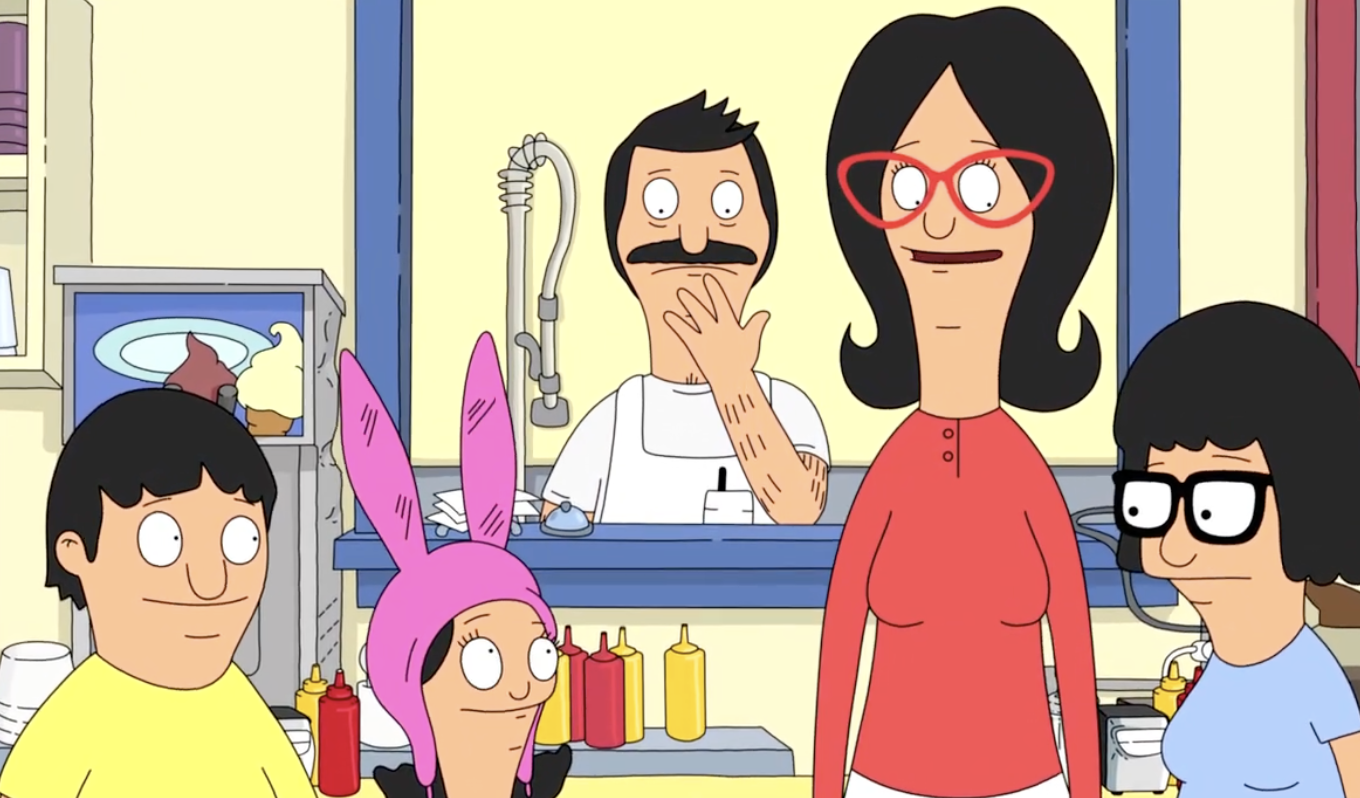
The heart of the episode kicks in when you realize why the kids are doing all this. They want to make money to help with Bob’s medical costs and support the struggling business, and they genuinely believe they’re stepping up in a crisis. Louise may be addicted to the rush, but she’s also motivated by love and a fierce loyalty to her dad’s dream. The sentimental moment lands when Bob returns to find his restaurant transformed, and instead of outright fury, there’s this tangle of exasperation, pride, and disbelief. He sees that his kids, in their extremely misguided way, were trying to take care of him and the family. That blend of chaos and care is quintessential Bob’s Burgers.
“The Kids Run the Restaurant” has been widely praised by critics as one of the series’ standout episodes. The A.V. Club gave it a strong review, lauding its “tight storytelling and emotional underpinning” and calling it a prime example of how the show uses outrageous situations to highlight the Belchers’ bond. Fans frequently rank it among their favorites in online polls and retrospectives, and it’s often cited in discussions of why Louise is one of the most compelling animated kids on TV. While no single-episode awards were attached, its popularity and strong critical response contributed to the show’s broader reputation as one of the smartest, most emotionally resonant animated comedies of the 2010s.
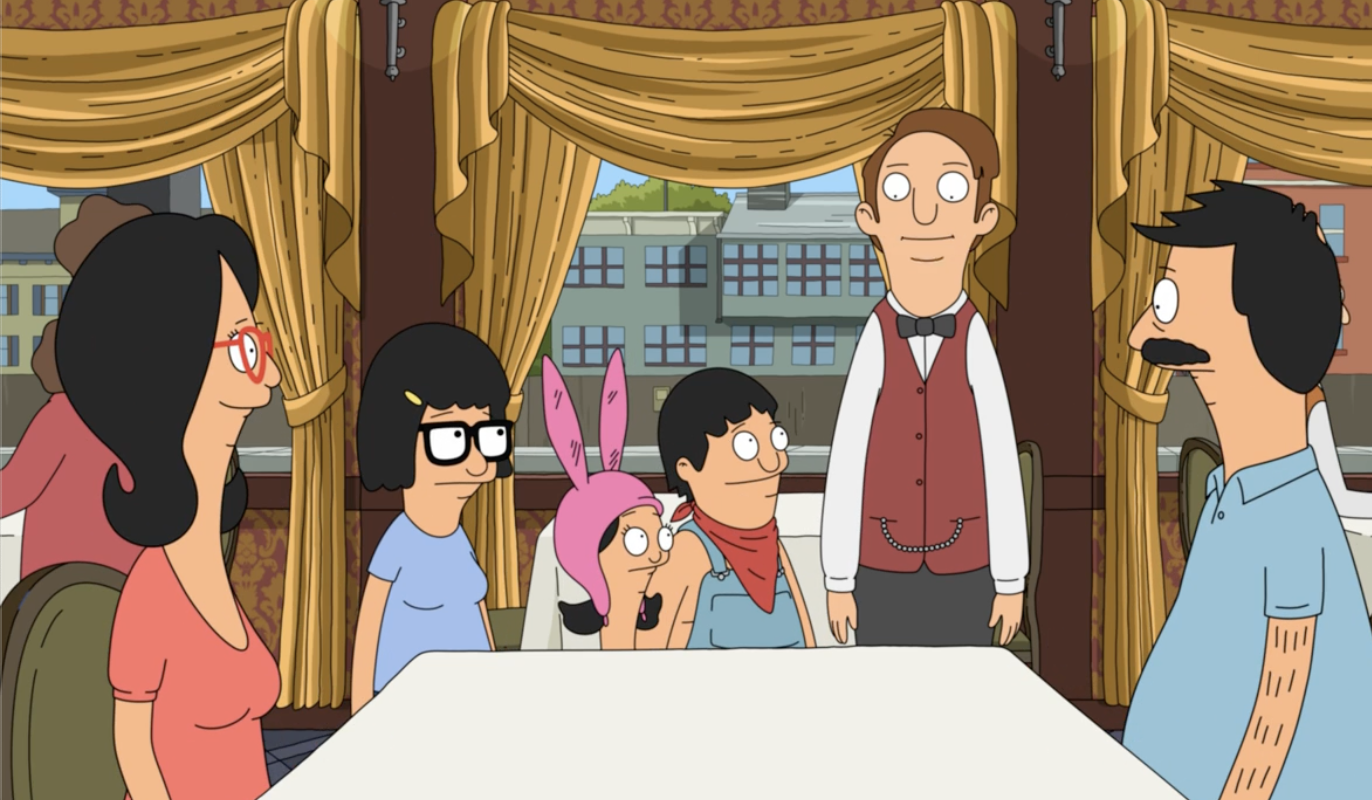
The sentimental gut punch arrives in the third act. After Bob’s attempts to impress the wine crowd fall flat, he’s humiliated and heartbroken, convinced he’ll never be taken seriously as a chef. The kids, mid-heist, see his disappointment and pivot: instead of focusing on their chocolate haul, they rally around him. Louise, usually the queen of self-interest, orchestrates a plan to help Bob save face and feel respected. It’s a rare moment where her mischief is purely in service of someone else’s feelings. The episode becomes a story about kids recognizing their parent as a full human being with dreams and insecurities, and choosing to put those ahead of their own fun.
“The Kids Rob a Train” has been singled out by critics as a prime example of Bob’s Burgers’ emotional sophistication. Vulture and Paste both highlighted the episode in lists of the show’s best, praising how it balances genre parody with a genuine exploration of Bob’s self-worth. The A.V. Club noted the episode’s “unexpected sweetness” and the way the kids’ loyalty deepens our understanding of their relationship with their father. Though it didn’t receive individual awards, episodes like this solidified the series’ reputation as more than just a joke machine, helping pave the way for its multiple Emmy wins for Outstanding Animated Program and its continued critical acclaim throughout the 2010s.
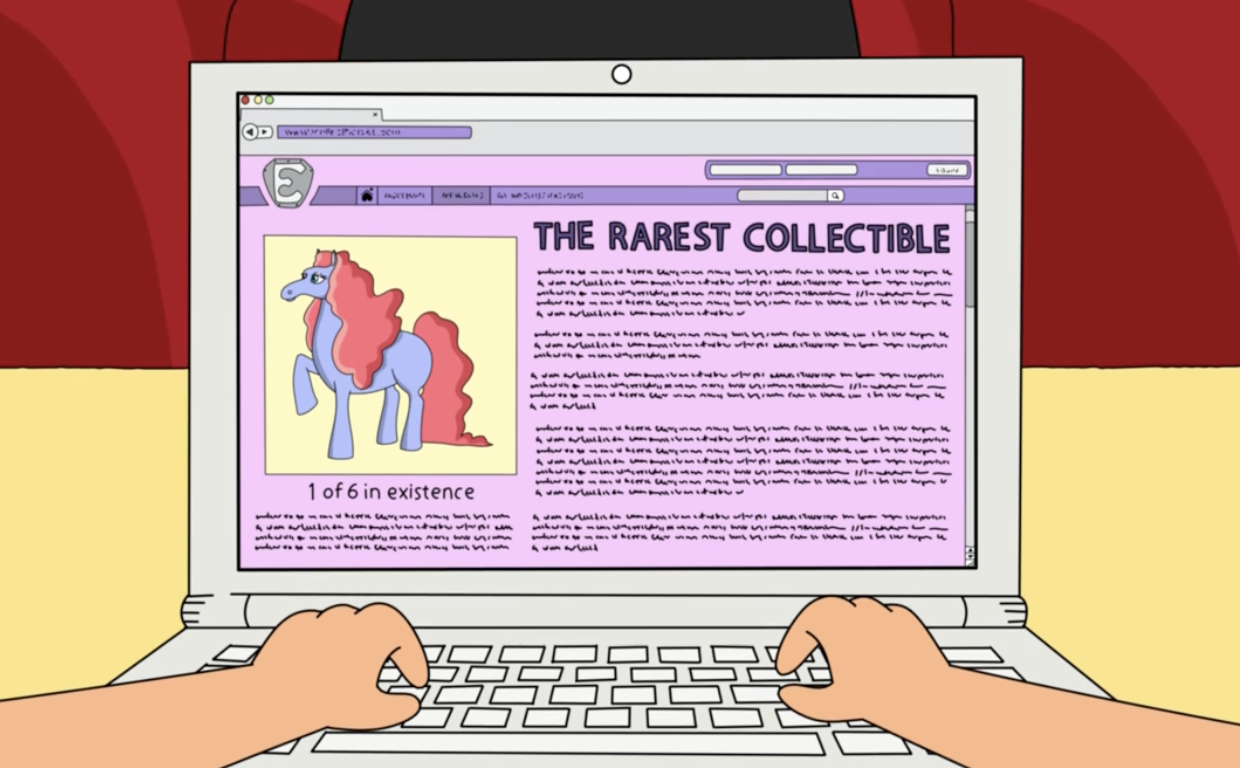
The sentimentality here is layered. On the surface, it’s about a kid and her toy, but underneath it’s a story about identity, shame, and the right to love “uncool” things. Tina is devastated not just because she lost Chariot, but because she was manipulated by adults who should have known better. The episode treats her heartbreak with real gravity—her attachment to Chariot is framed as emotionally valid, not childish. Bob’s arc is equally moving: he starts out uncomfortable and embarrassed by the intensity of the fandom, but when he sees how much Chariot means to Tina, he throws himself into the role, cosplay and all. By the end, he not only recovers the toy but also proves that he sees and respects Tina for who she is.
“The Equestranauts” is widely regarded by critics as one of the best episodes of Bob’s Burgers, full stop. The A.V. Club gave it a glowing review, praising its “empathetic take on fandom” and its willingness to poke fun at, but not demonize, obsessive fan culture. The episode features notable guest stars, including Paul F. Tompkins and Patton Oswalt, both of whom were singled out for their voice work by outlets like IGN and Paste. It has appeared in multiple best-of lists for the series, often cited as a “perfect” Bob’s Burgers episode thanks to its combination of sharp satire and emotional sincerity. Episodes like “The Equestranauts” contributed to the series’ reputation as one of TV’s most humane comedies, reinforcing the critical momentum that led to its Emmy wins and long-running status on Fox.
 Idiomob