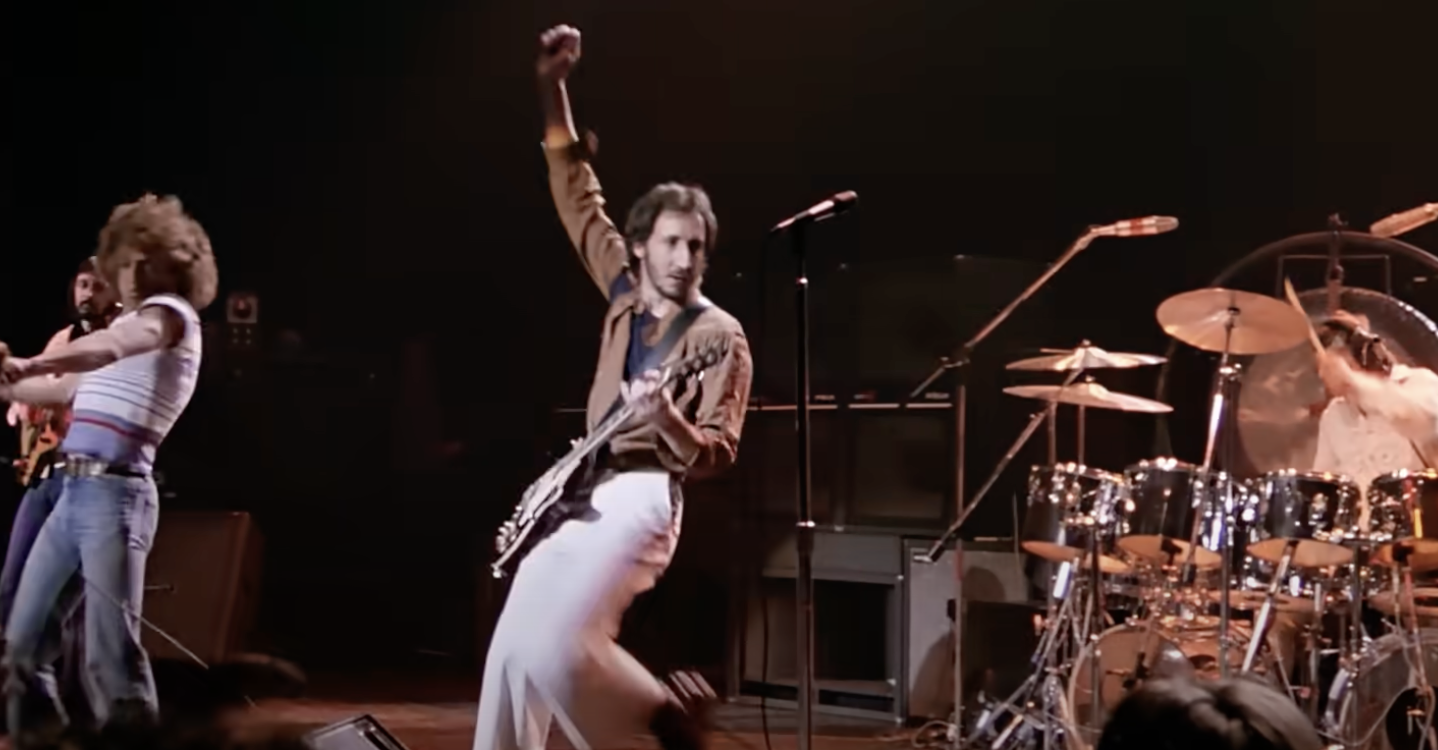
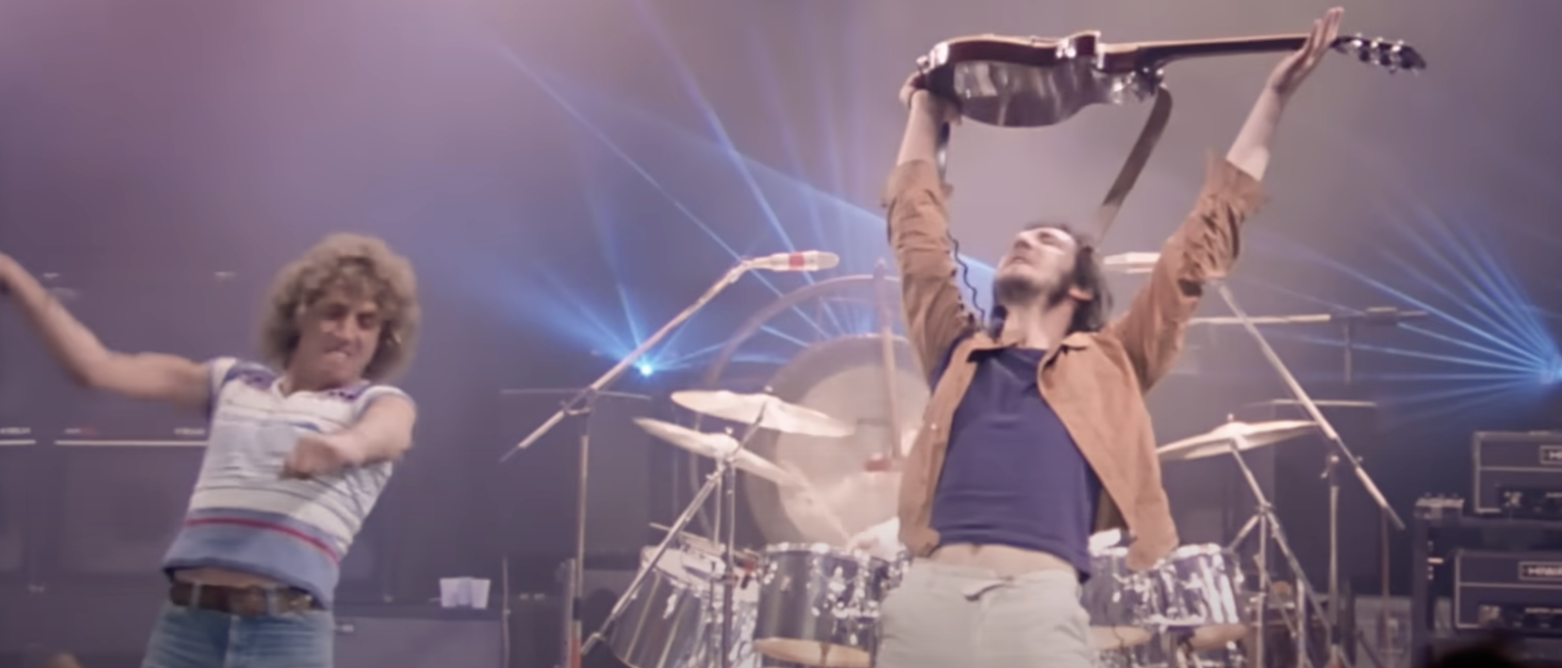
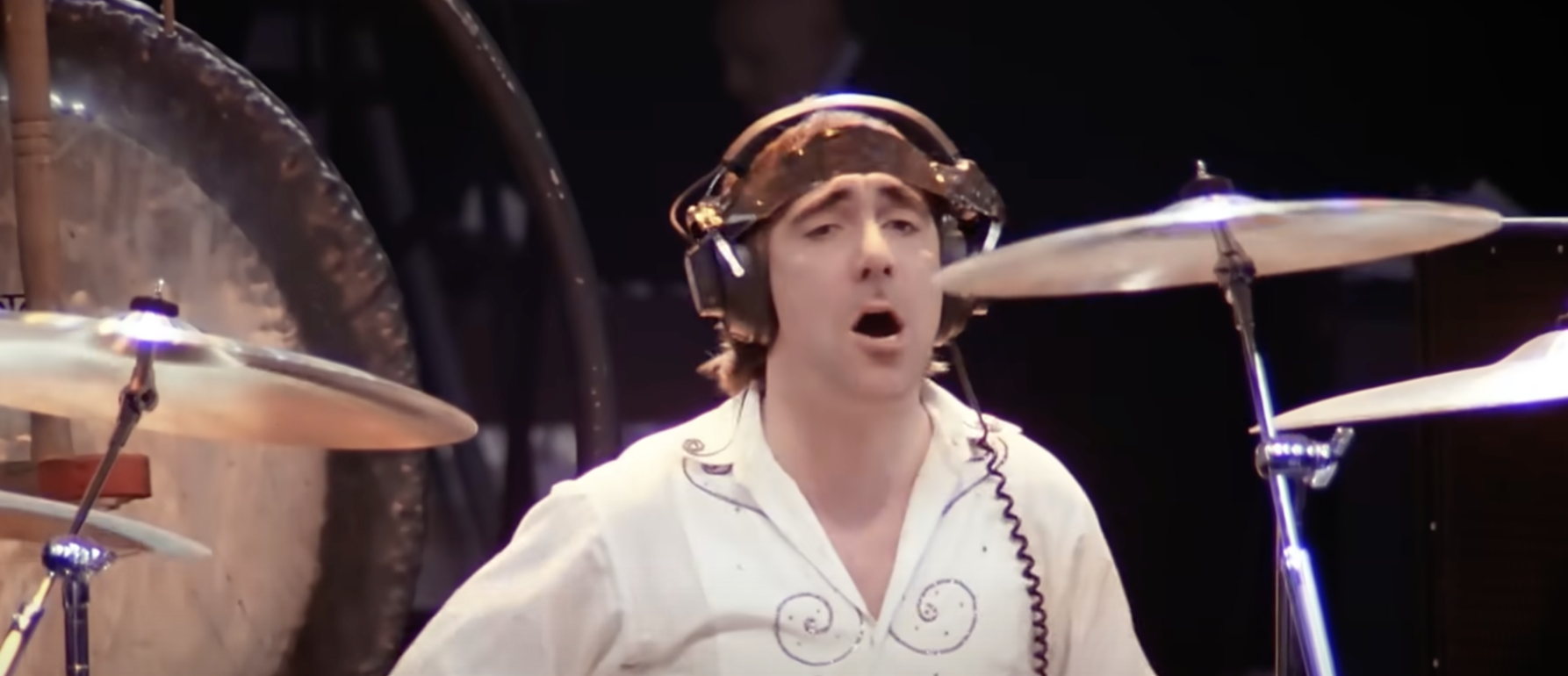
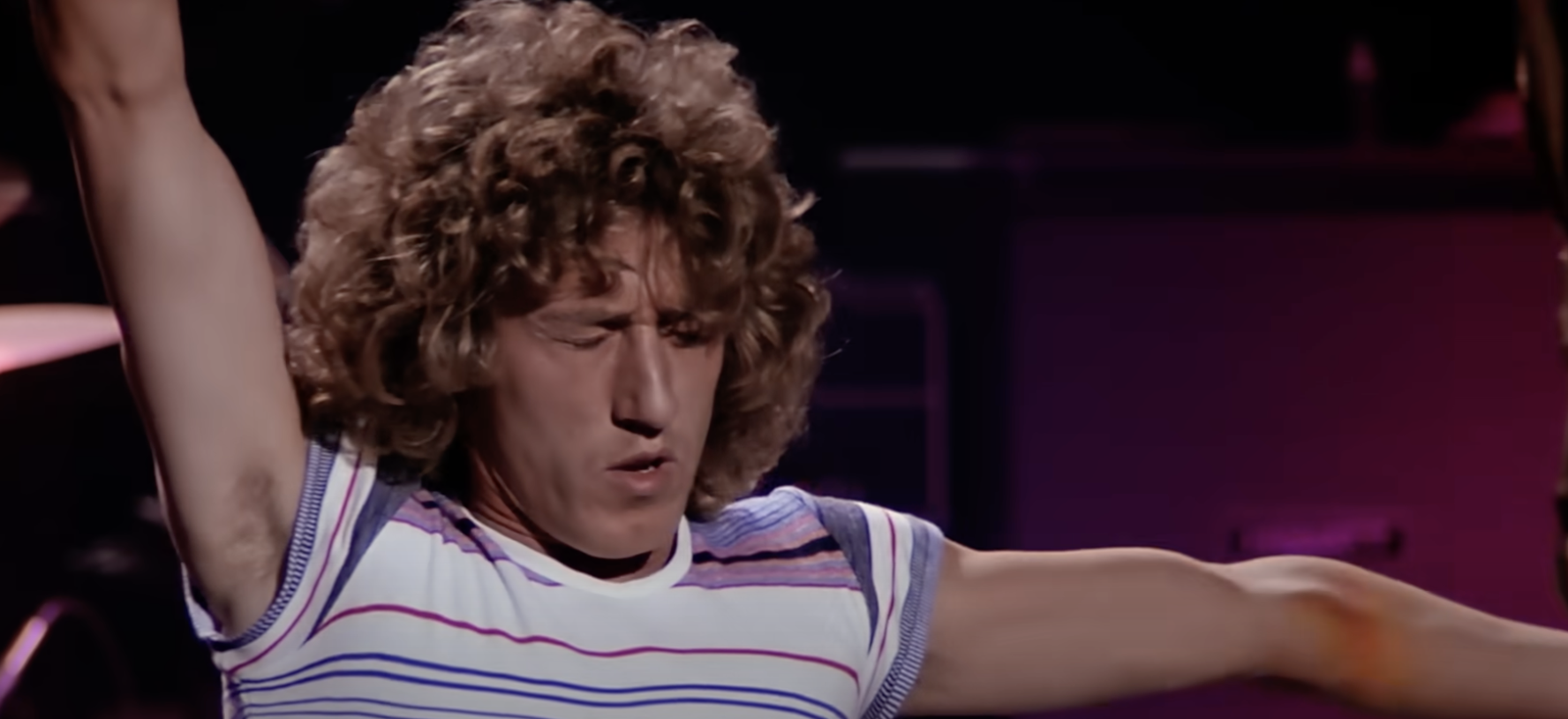
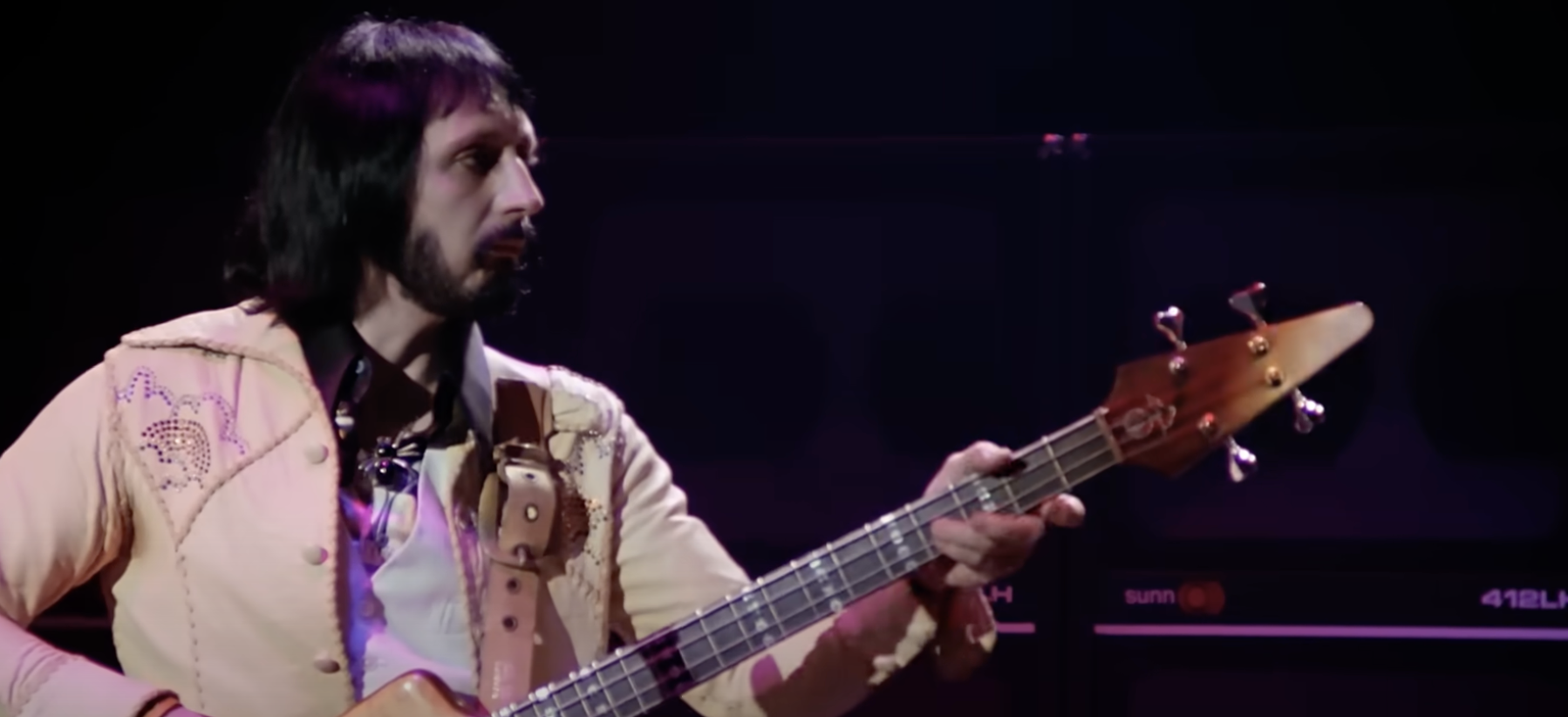
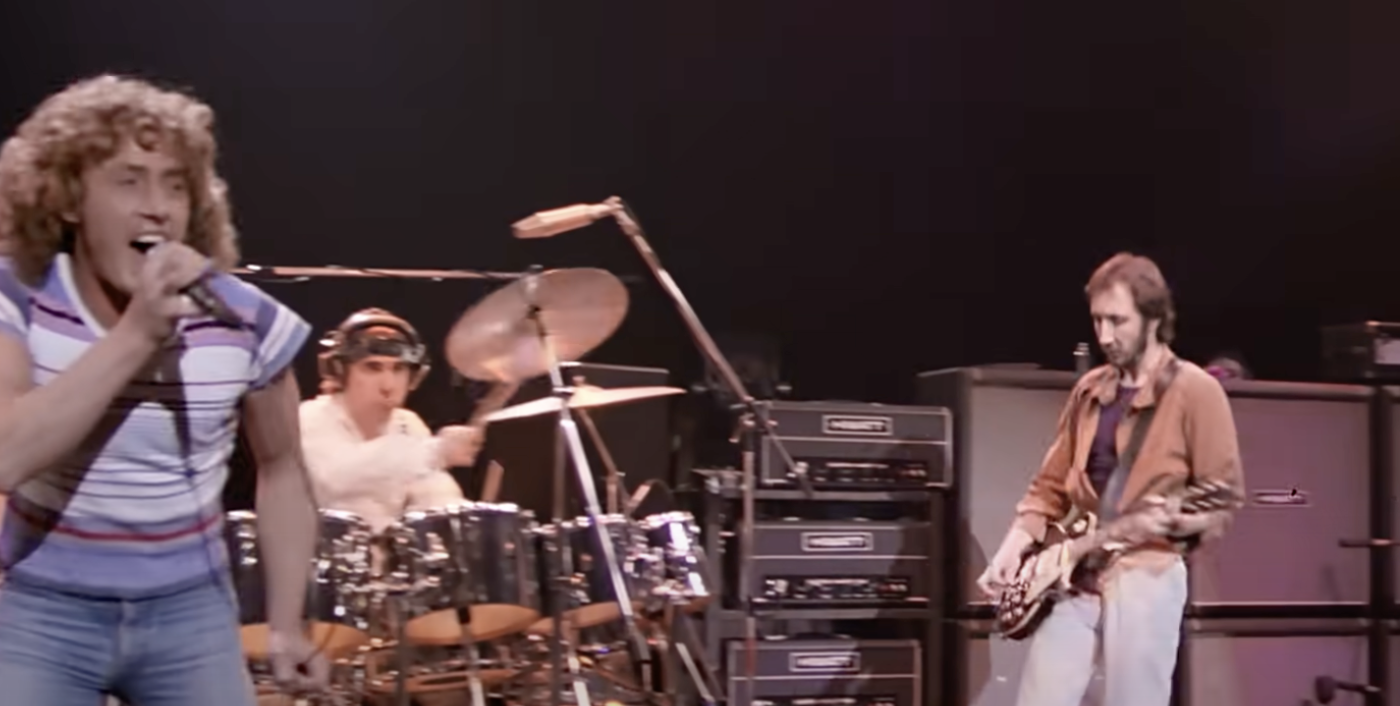
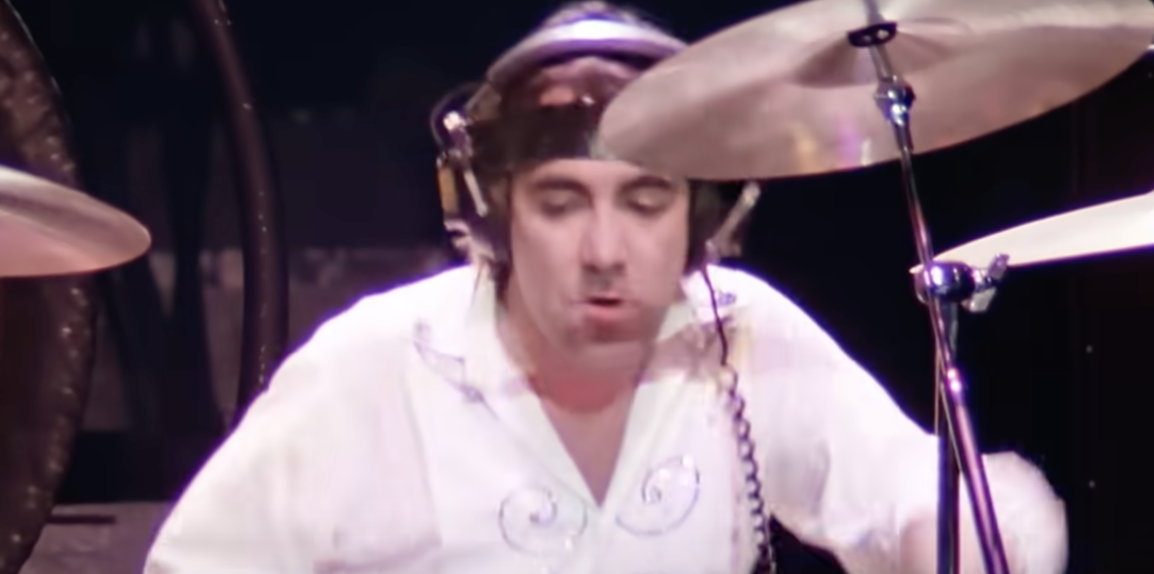
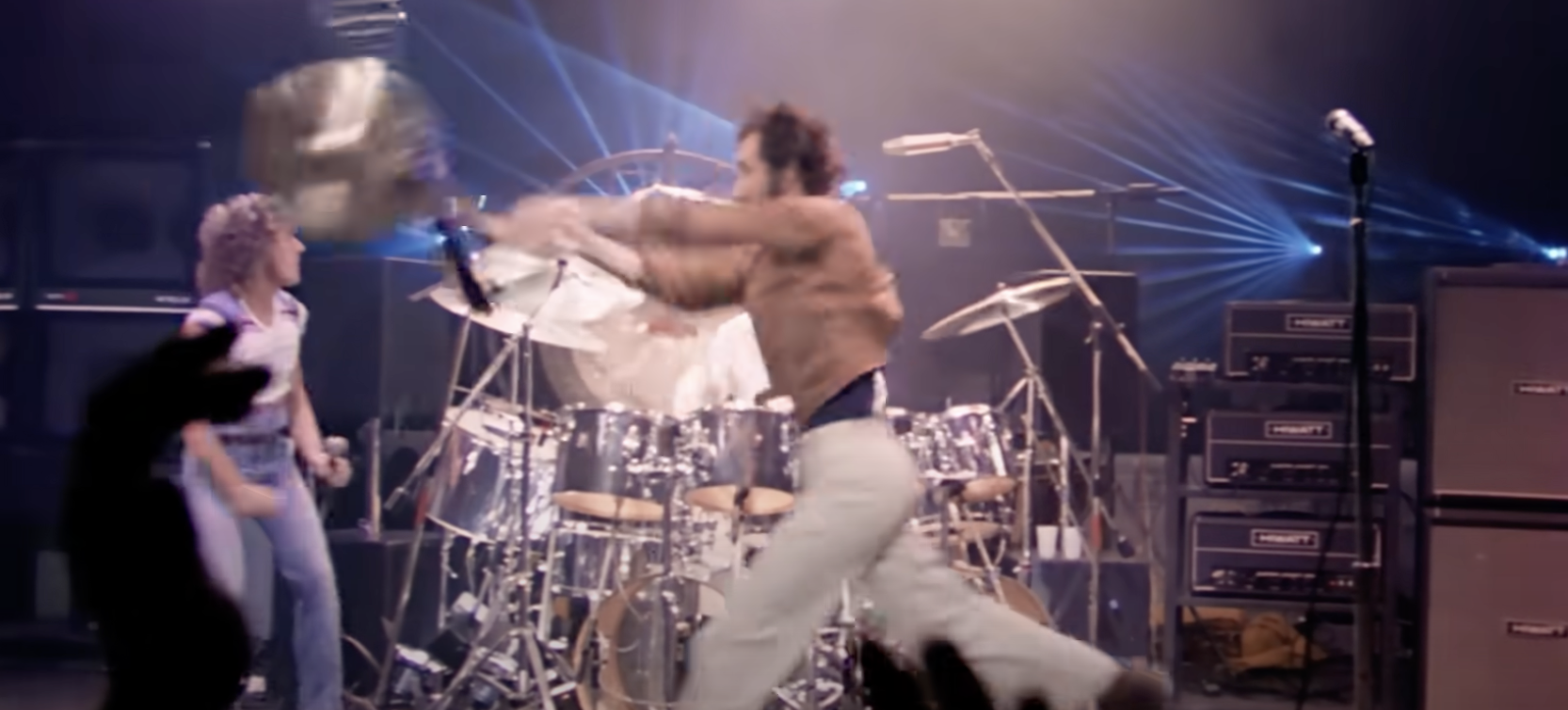
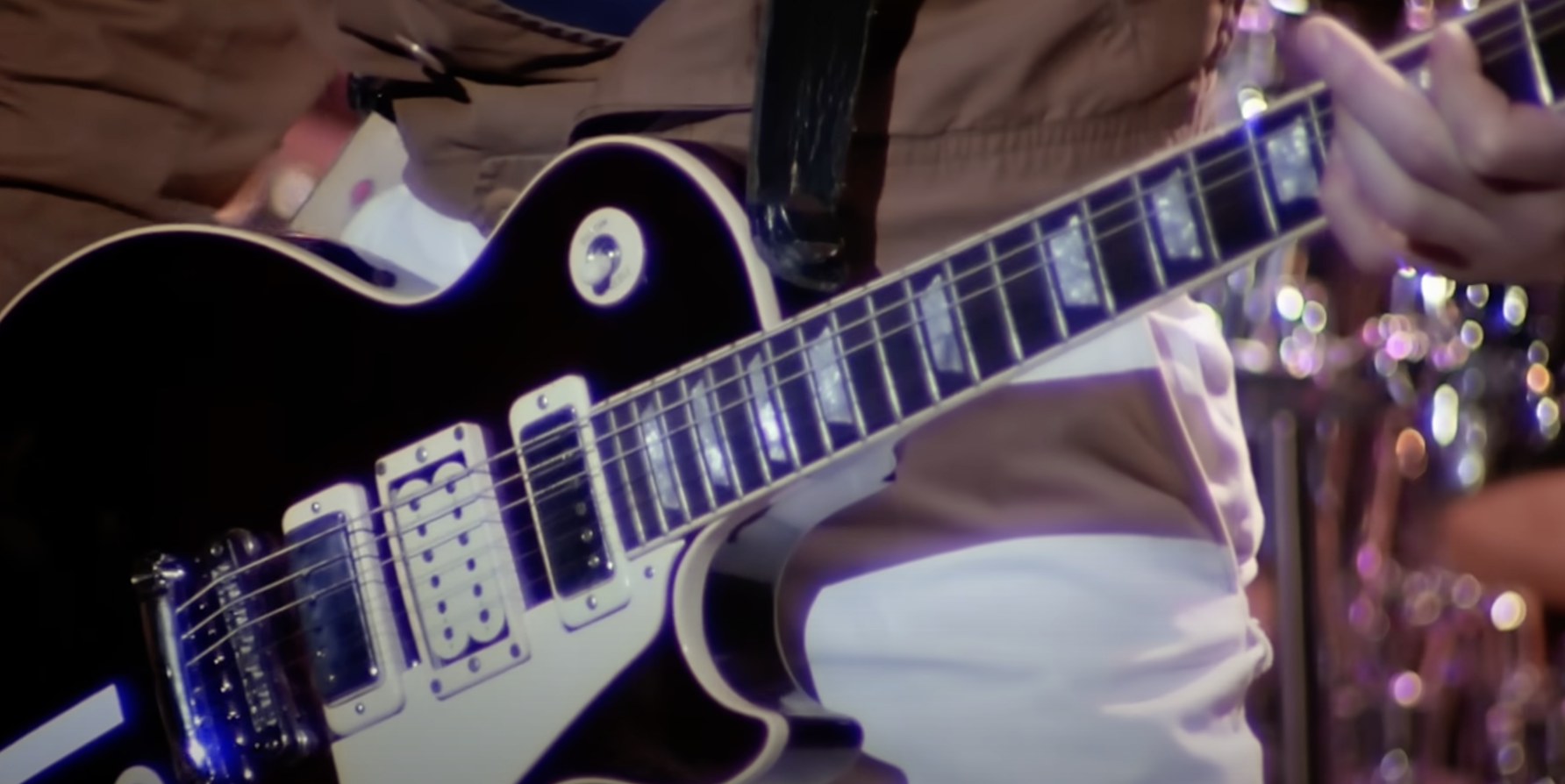
The Who: Rock Legends Who Shattered Boundaries and Instruments Alike The Who. A name short enough to fit on a drum kit, yet powerful enough to echo like thunder through rock history. Born from London's vibrant and rebellious music scene in 1964, this electrifying band rapidly evolved into something greater than the sum of its parts—a genuine musical phenomenon. With Roger Daltrey's roaring vocals, Pete Townshend's windmilling guitar heroics, John Entwistle's thunderous bass lines, and Keith Moon's explosive drumbeats, The Who became the very essence of rock rebellion, innovation, and theatricality. Their influence not only reshaped music history but also defined youth culture, leaving an indelible mark that resonates decades later. A Mod Beginning: Youth, Energy, and Maximum R&B Emerging from London's vibrant mod scene, The Who initially branded themselves as purveyors of "Maximum R&B"—a high-energy blend of rhythm and blues infused with raw power and youthful intensity. Managed by the flamboyantly creative Kit Lambert and Chris Stamp, they quickly distinguished themselves from contemporaries like The Beatles and The Rolling Stones by embracing a raucous, unpredictable stage presence. Roger Daltrey, initially more reserved, soon transformed into a swaggering frontman, swinging his microphone like a lasso. Pete Townshend, known for his iconic guitar-smashing routines, claimed his destructive act was initially accidental but, fueled by audience frenzy, became a defining spectacle. As Townshend famously quipped, "It was art, destruction as creation." The Explosive Keith Moon: The Human Tornado Behind The Kit Any discussion of The Who inevitably gravitates toward Keith Moon, perhaps rock's most legendary drummer and resident wild man. Moon's personal antics and extraordinary drumming skills quickly became stuff of legend. Whether inadvertently blowing up his drum kit during a live TV performance (1967 on the "Smothers Brothers Comedy Hour") or driving a Rolls-Royce into a swimming pool, Moon was synonymous with rock-and-roll excess. Yet behind the chaos lay genuine genius: Moon's innovative drumming technique—unconventional beats, rapid-fire fills, and astonishing energy—set new standards for rock percussion. Dave Grohl of Foo Fighters once acknowledged Moon's profound influence, calling his drumming "reckless, destructive, and exciting—everything rock music should be." Pete Townshend: The Mastermind Behind Rock Operas Guitarist and primary songwriter Pete Townshend gave The Who its intellectual gravitas. Aside from pioneering the windmill guitar technique, Townshend's visionary songwriting catapulted The Who into uncharted creative territories. The landmark album "Tommy" (1969), a rock opera portraying the story of a deaf, dumb, and blind pinball wizard, not only elevated the band's artistic standing but also firmly established the concept album as legitimate rock art. Following "Tommy," Townshend penned "Quadrophenia" (1973), a brilliant narrative capturing the internal struggles of a young mod navigating life's complexities. Townshend once reflected on his songwriting approach: "I wanted to write about mortal beings, people who had their feet on the ground but who were reaching for the stars." John Entwistle: The Quiet Thunder of a Bass Legend While Roger Daltrey owned the spotlight and Keith Moon brought chaos, bassist John Entwistle forged a quieter yet equally revolutionary legacy. Nicknamed "The Ox" for his stoic stage persona and strong physique, Entwistle's groundbreaking bass techniques elevated the instrument from rhythm accompaniment to lead status. His aggressive riffs, lightning-fast fingerwork, and intricate melodies laid the foundations for future bass virtuosos. Rolling Stone magazine ranked Entwistle number one on their list of the greatest bassists of all time, cementing his place as a musical titan. Although often silent on stage, Entwistle was renowned for his dry wit. Once asked why he played so loudly, he humorously replied, "Because I can't hear myself over Keith's drums!" The Who's Live Legacy: Unrivaled Power, Passion, and Raw Energy Ask anyone lucky enough to witness The Who live, and they'll describe an unparalleled intensity. Their iconic performance at Woodstock (1969)—where Townshend famously booted activist Abbie Hoffman off the stage mid-song—solidified their reputation for dynamic, unpredictable shows. But perhaps their most significant live moment was captured in "Live at Leeds" (1970), a thunderous recording widely hailed as one of rock's greatest live albums. Rolling Stone magazine proclaimed it "the best live rock album ever made." From the fiery explosion of "My Generation" to the grandiose sweep of "Won't Get Fooled Again," The Who consistently delivered electrifying performances that cemented their reputation as one of music's most thrilling live acts. Tragedy, Triumph, and Tenacity: Surviving Loss and Reinvention Despite their triumphs, the band's journey was fraught with tragedy. Keith Moon's untimely death in 1978, at only 32, shook the band profoundly. Faced with continuing or disbanding, The Who rallied, recruiting Kenney Jones (formerly of Faces) and moving forward. Yet again, tragedy struck when John Entwistle passed away suddenly in 2002, prompting Townshend and Daltrey to carry on as the surviving members. Despite these profound blows, the band's resilience has been remarkable. Their 2019 album "WHO," their first in 13 years, showcased a mature yet spirited band, still committed to pushing artistic boundaries and preserving their enduring legacy. Roger Daltrey once reflected on their longevity, stating, "As long as Pete and I can hit the stage and give it our all, we'll keep going." The Who’s Lasting Impact: Inspiring Generations and Defying Age Nearly six decades after their inception, The Who’s profound influence echoes throughout popular music. Punk rockers, metalheads, indie bands, and pop artists alike have all cited The Who as a pivotal influence. Their songs continue to resonate, appearing prominently in films, television shows, and commercials, while their iconic tracks, such as "Baba O'Riley," "Pinball Wizard," and "Who Are You," remain timeless anthems. Today, their live shows still draw huge crowds of fans spanning generations. Townshend and Daltrey's continued dedication to live touring proves age is merely a number, and rock-and-roll spirit is eternal. A Final Note: The Who's Enduring Rebellion Simply put, The Who are more than a band—they're an enduring rebellion, a passionate cry of youth and freedom, and above all, a testament to music’s power to empower, inspire, and unite. As Pete Townshend famously declared, "Rock 'n' roll will never die." And as long as The Who's music plays, neither will their rebellious spirit.
 A Look Back At The Who