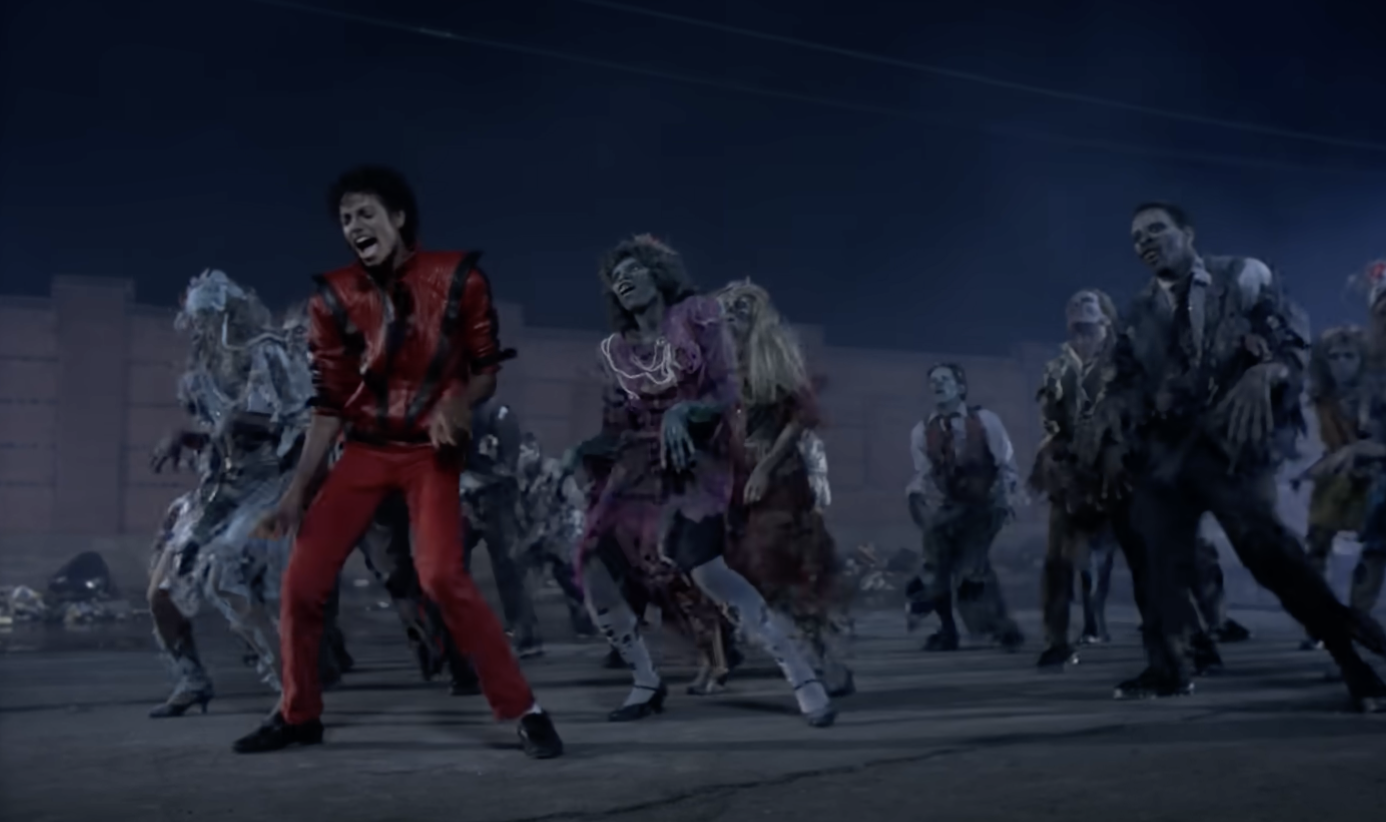
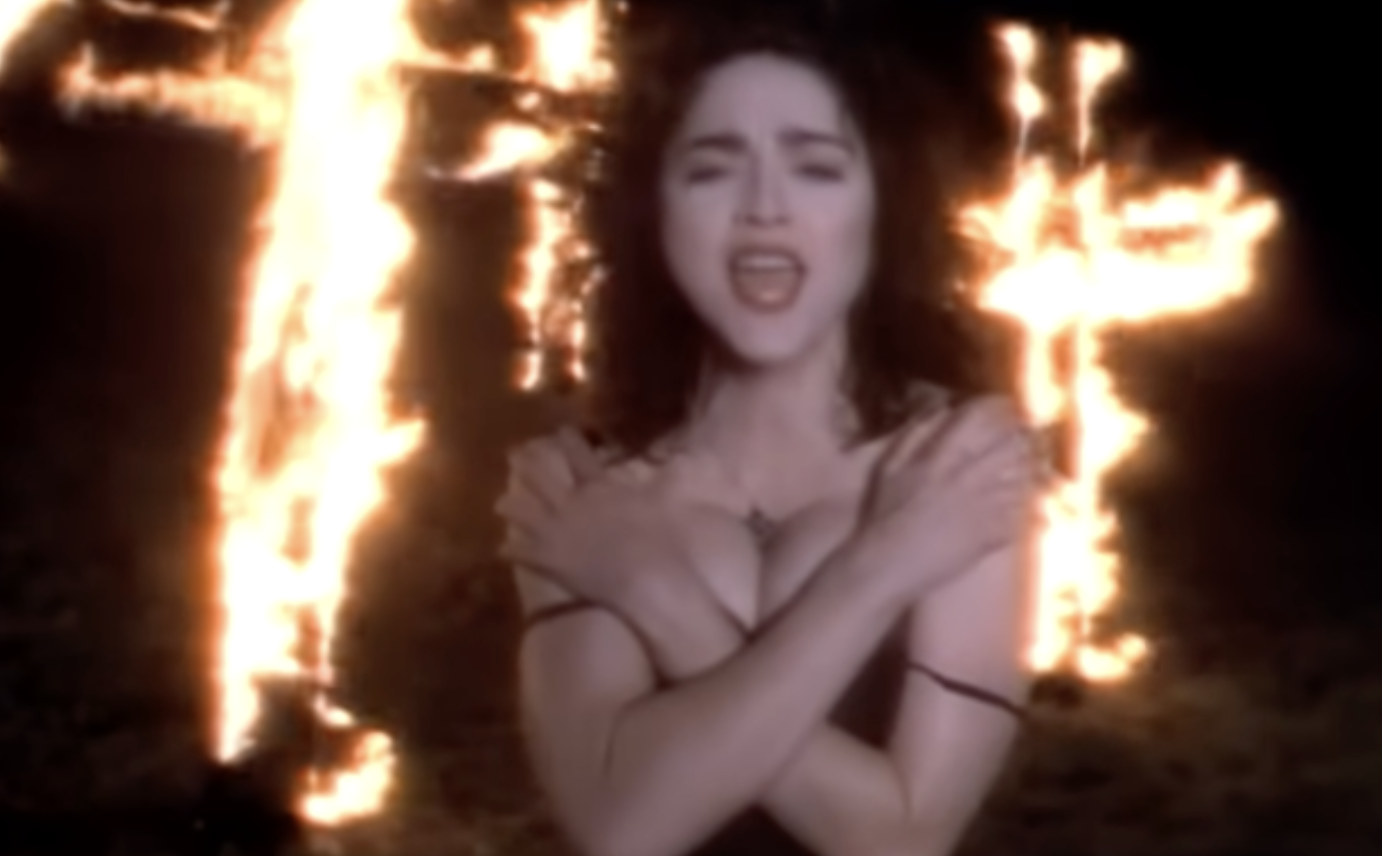
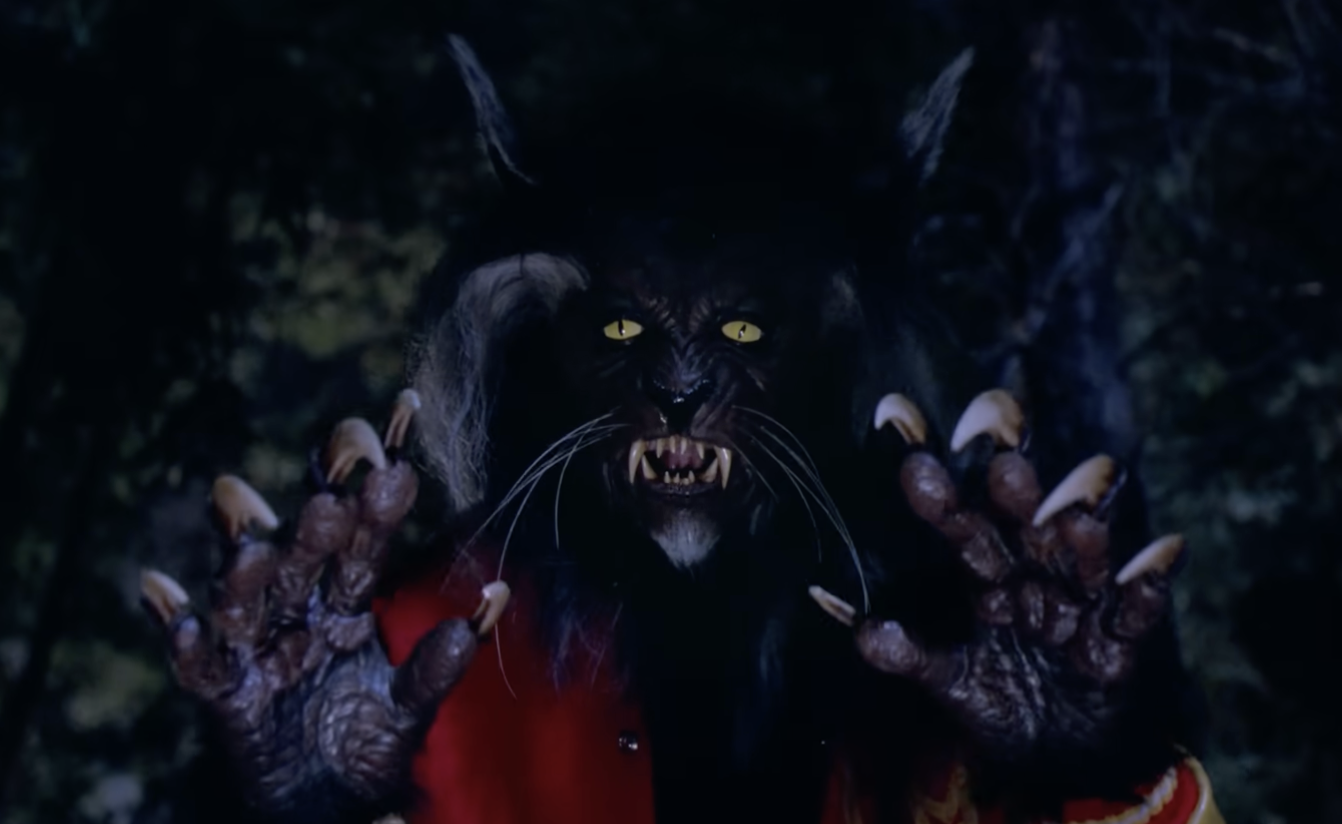
Thriller: The Night Pop Music Became Cinema Michael Jackson’s “Thriller,” which premiered on MTV in December 1983, is the single most culturally seismic music video of the MTV era, and honestly, it is hard to find a close second. Directed by John Landis, fresh off “An American Werewolf in London,” the 14 minute short film did not just promote a song. It reframed what a music video could be, turning a three minute promo clip into a mini blockbuster with a narrative, costumes, choreography, credits and a full-on theatrical rollout. At a time when MTV was still mostly cutting between performance clips and low budget experiments, “Thriller” arrived with a budget reported around $500,000 to $1 million, unprecedented for a video in 1983, and immediately became a cultural event instead of just a piece of marketing content. The American Film Institute later named it the greatest music video of all time, and in 2009 it became the first music video inducted into the U.S. National Film Registry, solidifying its status as a work of cinema, not just pop ephemera.Breaking Racial Barriers on a Segregated MTV To understand “Thriller” as a paradigm shift, you have to remember how white MTV was in the early 1980s. The network initially focused on rock by white artists, often sidelining Black performers despite the dominance of Black music on the charts. Executives at CBS Records publicly criticized MTV in 1983 for what they saw as a de facto color line, and it took the combined pressure of the label and Michael Jackson’s rising commercial power to get videos like “Billie Jean” and “Beat It” into heavy rotation. Once those hit, “Thriller” became the knockout punch. Jackson’s cross-racial, cross-genre appeal and the sheer spectacle of the video forced MTV to fully embrace Black pop as central to its identity instead of treating it as a token presence. Scholars and critics have repeatedly pointed to Jackson’s MTV era as a key moment in breaking down racial barriers in mainstream music television, with “Thriller” as the flagship piece that made it impossible for the channel to remain a quasi rock-only space. The video did not just entertain a segregated audience. It helped integrate it.The Blueprint for Every Big Pop Video After It Culturally, “Thriller” did for the music video what “Star Wars” did for the blockbuster. It turned the format into an event that people scheduled their night around. The premiere was treated like a TV special, and the making-of documentary “Making Michael Jackson’s Thriller” reportedly became the top selling music home video ever at the time, moving hundreds of thousands of VHS copies and even earning a Grammy. That level of behind the scenes fascination helped cement the idea that a music video could have its own ecosystem of lore, marketing and fan culture. Every high concept, narrative driven pop video that followed, from Madonna’s “Like a Prayer” to Beyoncé’s “Single Ladies” and “Lemonade,” lives in its shadow. The idea that a video could be longer than the radio edit, could tell a story, could have movie level costuming and special effects, and could be dissected in magazines and on talk shows, all traces back to “Thriller” as the working template. It made the director a star, the choreographer a star, and the dancers part of pop mythology, which changed how the industry invested in visuals.From Halloween Staple to Global Pop Myth The clearest proof of “Thriller” as the most culturally impactful MTV era video is that it escaped its own decade and became ritual. Every October, streams of the song spike and the video returns to rotation, turning Halloween into an annual re-screening of Jackson’s undead dance crew. The choreography is so iconic that it has been reenacted by prison inmates in the Philippines in a viral performance, by flash mobs across continents, and in classrooms, weddings and stadiums. The red jacket, the zombie makeup, the Vincent Price voiceover and that shoulder snapping dance sequence function as a shared language, recognizable across generations who were not yet born when MTV first aired it. Other videos have been provocative, groundbreaking or technically stunning, but “Thriller” altered how we imagine what a music video can be, rewired MTV’s programming, expanded the global reach of Black pop and embedded itself into holiday traditions and everyday memes. In terms of cultural shift, scope and staying power, it remains the best music video of all time produced in the MTV era, the moment when music television became mythmaking.