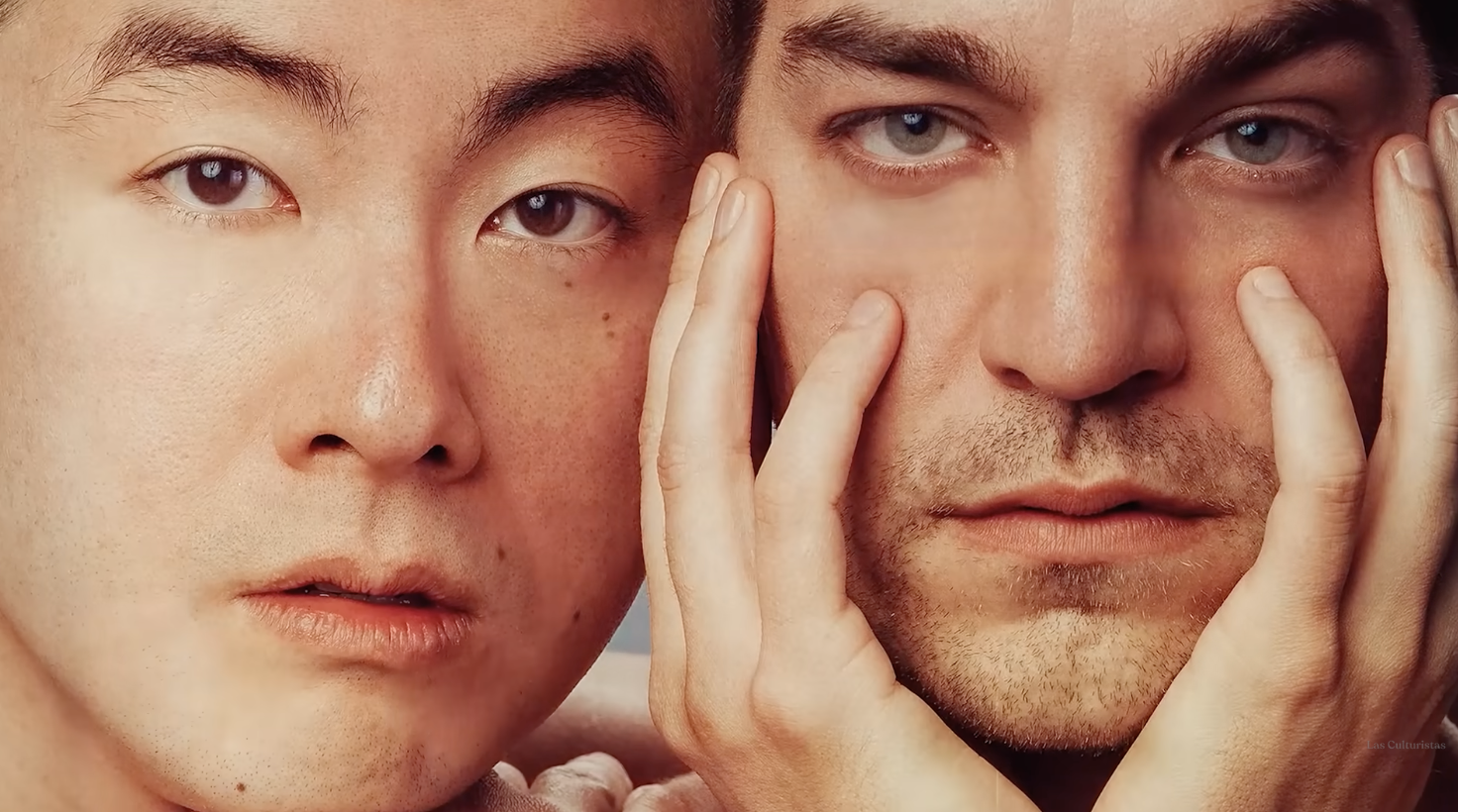
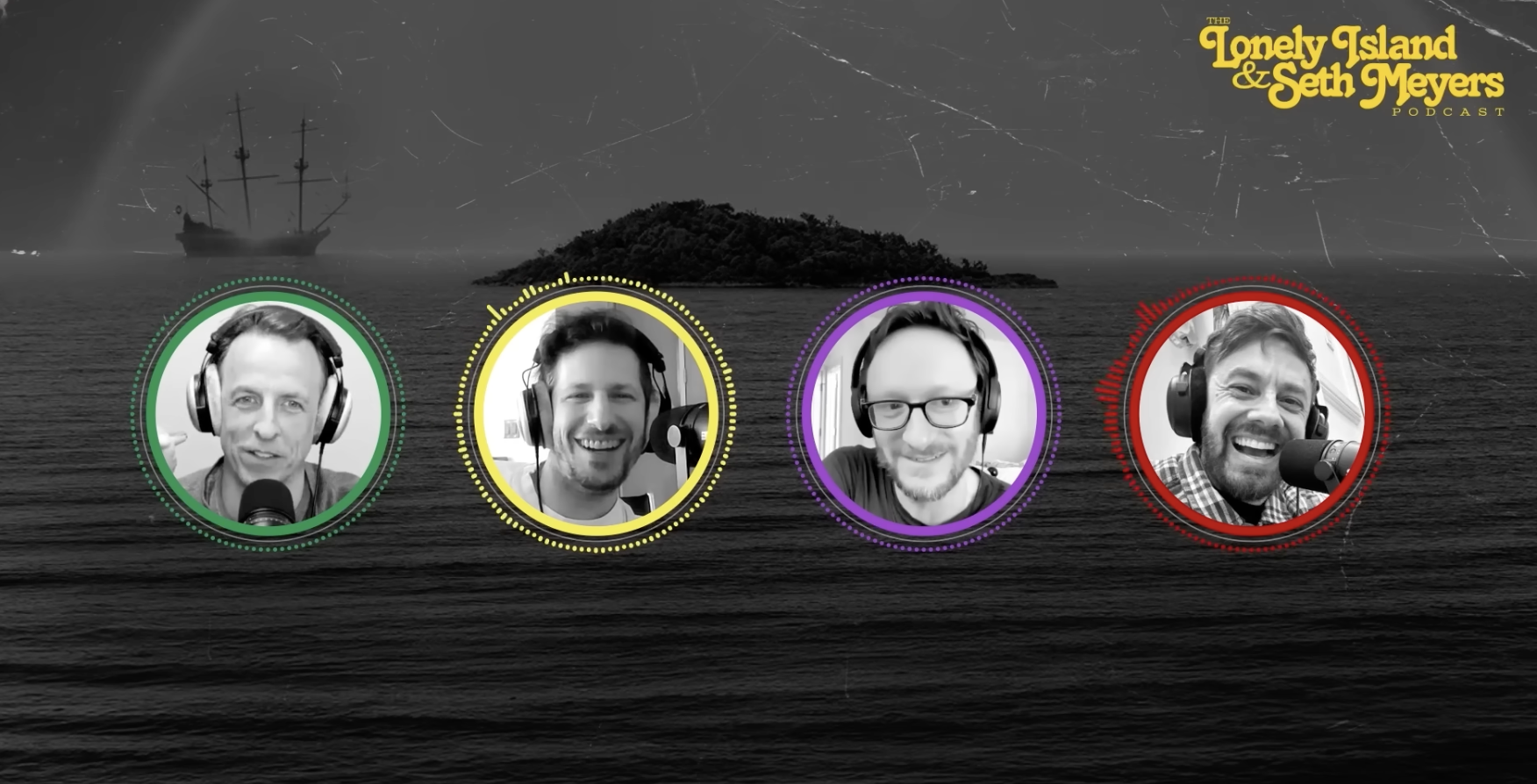
Comedy Bang Bang, SiriusXMPop Culture’s Funniest Audio Multiverse Comedy podcasts aren’t just background noise for your commute anymore; they’re where the real late-night energy, sketch chaos, and hyper-specific pop culture obsessing now live. The rise of shows like Las Culturistas, Comedy Bang! Bang!, The Lonely Island and Seth Meyers Podcast, What Is Our Podcast With Beck and Kyle, This Is Important, and How Did This Get Made? has turned the podcast app into a kind of parallel universe where SNL, alternative comedy, and internet culture all collide. What unites them is a shared commitment to escalating the bit, treating dumb jokes with deadly seriousness, and making listeners feel like they’ve stumbled into the funniest group chat on earth. The Power Rankings: Chaos, Culture, and Cult Classics Let’s set the stage with a loose, vibe-based ranking, because nothing is more on-brand for comedy podcasts than a ranking that’s both subjective and defensible. At the top for cultural impact and critical love, you have Las Culturistas and Comedy Bang! Bang!—two shows that shaped how pop-culture comedy sounds in the 2020s. Just behind them in prestige but huge in influence and fandom: How Did This Get Made?, the podcast that turned bad movies into communal therapy. Then come the newer and more niche, but deeply funny entries: The Lonely Island and Seth Meyers Podcast, This Is Important, and the emerging, looser hang-out energy of What Is Our Podcast With Beck and Kyle. Each one channels a different flavor of funny: high-camp pop criticism, improv chaos, Hollywood roast, sketch-brain nostalgia, bro-medy sincerity, and ultra-casual alt-comedy banter. Las Culturistas: The Church of Pop Culture with Bowen and Matt Hosted by Bowen Yang (Saturday Night Live’s first Chinese American cast member, and an Emmy nominee for his work on the show) and Matt Rogers (comedian, actor, and co-creator of Showtime’s I Love That for You), Las Culturistas has become a defining voice in queer pop-culture commentary. Launched in 2016, the podcast took off with its mixture of high-camp energy, razor-sharp cultural analysis, and wildly personal oversharing. In 2020, Time magazine named it one of the “10 Best Podcasts of 2020,” praising its “hilarious, incisive pop culture commentary” and the way the hosts “elevate frivolity into art” (Time, Dec. 2020). The show has also been highlighted by outlets like Vulture and The New Yorker for its role in shaping modern queer comedy voices. Last Culturistas, IheartradioWhy Las Culturistas Is So Funny: Hyperbole as a Lifestyle The core joke of Las Culturistas is that every pop culture moment—Ariana Grande’s whistle tones, a Pixar movie, a Real Housewife’s tagline—is treated like a civilization-defining event. Their recurring segment “I Don’t Think So, Honey” is basically a one-minute drag performance where the hosts or guests rant about a cultural annoyance with Broadway-level intensity. The humor comes from how they fuse internet-speak, queer bar energy, and critical theory: Bowen and Matt can go from screaming about the word “content” to dissecting how Hollywood marginalizes queer stories, all in one breath. Guests like Taylor Swift (who appeared in 2023 and called the show “one of my favorite podcasts”) and big-name comics add to the prestige, but the funniest part is how the hosts treat their own friendship as canon—listeners tune in as much for the lore of their lives as for the actual takes. It feels like being welcomed into a queer, hyper-verbal friend group that has never once had a chill thought. Comedy Bang! Bang!: The Godfather of Podcast ImprovComedy Bang! Bang! began as Comedy Death-Ray Radio on Indie 103.1 back in 2009, before morphing into the flagship show of Scott Aukerman’s Earwolf network and later inspiring a five-season TV adaptation on IFC. Aukerman, who co-created Between Two Ferns with Zach Galifianakis and won a Primetime Emmy for the 2014 Between Two Ferns special, brought that same low-key absurdism to the podcast: a loose talk show where real comedians play unhinged fictional characters. The show has been widely credited as one of the most influential comedy podcasts ever made; Vulture and Rolling Stone have repeatedly included it on lists of the best podcasts of all time, noting its role in popularizing long-form improv in audio form. Comedy Bang! Bang!, SiriusXMThe Comedy Bang! Bang! Formula: Characters, Canon, and Controlled Chaos What makes Comedy Bang! Bang! funny isn’t just the jokes—it’s the sustained commitment to bit-based world-building. Aukerman plays the perpetually slightly-annoyed straight man while guests like Paul F. Tompkins (who’s portrayed characters such as the bombastic Andrew Lloyd Webber) or Lauren Lapkus (as characters like “Ho-Ho the Elf”) show up and refuse to break. The show leans on game segments—like the sometimes-deranged “Would You Rather?”—to push characters into weirder territory. Over time, the series has built a sprawling internal mythology; recurring characters, fake sponsors, and in-jokes reward long-time listeners with a sense of belonging. The humor is improvisational but surprisingly disciplined: Aukerman’s skill is in knowing when to let a riff spiral and when to cut it off with a deadpan “We’ll be right back.” That balance has earned the show critical acclaim and a devoted fan base that treats the podcast’s episode numbers like comic-book issues. The Lonely Island and Seth Meyers Podcast: Nostalgia, Sketch-Brain, and SNL Secrets In 2024, Andy Samberg, Akiva Schaffer, Jorma Taccone, and Seth Meyers launched The Lonely Island and Seth Meyers Podcast, a behind-the-scenes deep dive into the digital shorts that helped redefine Saturday Night Live in the 2000s. The Lonely Island’s work—like “Lazy Sunday,” “Dick in a Box,” and “I’m on a Boat”—earned multiple Emmy nominations and a 2007 Primetime Emmy win for Outstanding Original Music and Lyrics (“Dick in a Box”) (Television Academy). Meyers, meanwhile, was SNL’s head writer and later the host of Late Night with Seth Meyers. The podcast taps into that legacy, unpacking how those sketches were written, produced, and almost didn’t make it to air. Critics have noted the show’s mix of nostalgia and craft talk; outlets such as The New York Times and Variety have praised the series for offering rare candor about how SNL actually works while still feeling like a hang with old friends. The Lonely Island and Seth Meyers Podcast, Rabbit Grin ProductionsWhy The Lonely Island and Seth Meyers Podcast Is Hilarious: Demystifying the Dumb The comedy here comes from a very specific dynamic: four guys who helped architect the modern internet-comedy era now looking back at their own work with equal parts pride and disbelief. They’ll dissect, say, “Jizz in My Pants,” but the humor isn’t just in replaying the song—it’s in hearing Samberg confess that he could barely get through the shoot without breaking, or Meyers admitting which sketches bombed at the table read. Their self-deprecation is key: they treat their own Emmy-winning catalog like a series of very expensive inside jokes that somehow escaped the writers’ room. The show is also funny because it reveals how precarious comedy success is—how many iconic bits were almost cut, how many logistics were held together with duct tape and caffeine. It’s the rare “inside baseball” podcast that’s still accessible because the hosts never stop clowning themselves. How Did This Get Made?: The Church of Bad MoviesHow Did This Get Made?, hosted by Paul Scheer, June Diane Raphael, and Jason Mantzoukas, is arguably the definitive “bad movie” podcast. It debuted in 2010 on Earwolf and quickly became a cult hit by turning cinematic disasters into communal experiences. Live episodes—where the trio dissects films like Fast Five or The Room in front of an audience—have become events in themselves. The show has been widely praised by outlets such as AV Club, Vulture, and Rolling Stone for its mix of sharp criticism and pure silliness; Vulture has repeatedly featured it on its lists of essential comedy podcasts, calling it “a perfect mix of outrage, affection, and absurdity” when discussing how the hosts approach their chosen films. How Did This Get Made, SiriusXMThe HDTGM Formula: Rage, Affection, and Unhinged Tangents What makes How Did This Get Made? so funny is the way the hosts weaponize confusion. Each episode is structured around basic questions—“Why is there a submarine in this rom-com?”—but the joy is in the spirals. Paul plays the enthusiastic ringmaster, June often defends the indefensible (she’s genuinely touched by some of the wildest movies), and Jason is pure chaos, delighted by every nonsensical plot twist. Their chemistry is what elevates the show: they can pivot from analyzing representation or gender politics in a movie to doing a five-minute riff on a background extra’s facial expression. The live shows add another layer, with fans yelling out questions, bringing homemade signs, and treating the worst movies ever made like midnight screenings of The Rocky Horror Picture Show. It’s criticism as group therapy, and the punchline is always that the movie somehow, against all odds, got made. This Is Important: Workaholics Energy, UnfilteredThis Is Important reunites Adam Devine, Blake Anderson, Anders Holm, and director-producer Kyle Newacheck, the creative team behind Comedy Central’s Workaholics. Launched in 2020, the podcast extends the show’s slacker-bro energy into real life: four longtime friends riffing about everything from Hollywood stories to childhood injuries. While it hasn’t been showered in traditional awards, it performs strongly on podcast charts and has a fiercely loyal fan base that came up on Workaholics’s stoner-office aesthetic. Outlets like Collider and AV Club have noted how the podcast preserves the chemistry that made the TV series a cult hit, translating that ensemble vibe into long-form audio. This Is Important, IheartradioWhy This Is Important Works: The Hangout as Comedy EngineThis Is Important is funny because it leans into the illusion that you’re just sitting on a couch with the guys, half-watching some ridiculous movie and talking trash. They don’t over-structure the show; instead, they let stories build organically, with running bits about Adam’s overconfidence, Blake’s oddball observations, Anders’s faux-earnestness, and Kyle’s director-brain commentary. The humor lives in the digressions: they’ll start with a topic like “we almost died on a stunt” and end up discussing who would survive longest in a suburban apocalypse. Their shared history gives them license to roast each other brutally, but there’s a warmth under the chaos—it’s obvious they actually like each other. For listeners, that’s the hook: you’re not just hearing jokes, you’re hearing a friendship perform itself. What Is Our Podcast With Beck and Kyle: Loose, Experimental, and Deeply WeirdWhat Is Our Podcast With Beck and Kyle is one of the more experimental entries on this list—a looser, more niche show built around the chemistry of two comics (often associated with the LA alt-comedy scene) who treat the title as a mission statement and a running gag. The premise is intentionally amorphous: they explore bits, characters, and tangents without a rigid format, more like an audio sketchbook than a polished product. While it doesn’t yet have the mainstream accolades of something like Comedy Bang! Bang! or Las Culturistas, it’s the kind of show that quietly builds a cult following among listeners who like their comedy weird, self-aware, and unafraid to bomb in real time. Think of it as the zine version of a comedy podcast: rough around the edges, but full of unexpected gems. What Is Our Podcast, HeadgumBeck and Kyle’s Comedy: The Joy of Not Knowing Where It’s Going The humor of What Is Our Podcast comes from its refusal to lock into a single identity. One episode might feel like a two-person sketch show; another might play like late-night DMs read aloud. Beck and Kyle often lean into meta-comedy—joking about whether the episode is working, whether they should cut a segment, or whether the podcast should exist at all. That self-sabotaging honesty is oddly liberating; the audience is invited into the creative process instead of being handed a finished product. When a bit hits, it feels electric because you can hear them discovering it in real time. When it doesn’t, that’s often the joke. In an era when many podcasts are over-produced, their willingness to leave the seams visible is its own kind of punchline. Shared DNA: Why These Podcasts Hit So Hard Across all these shows, there’s a shared belief that comedy is better when it feels like a conversation you were almost not invited to. Las Culturistas gives you hyper-verbal, queer pop-culture worship; Comedy Bang! Bang! lets you live inside a never-ending improv show; The Lonely Island and Seth Meyers Podcast opens the vault on one of TV’s most influential sketch eras; How Did This Get Made? turns cinematic disasters into communal catharsis; This Is Important offers a hang-out vibe with proven ensemble chemistry; and What Is Our Podcast With Beck and Kyle captures the thrill of watching comedy get invented on the fly. Awards, critic lists, and glowing write-ups in Time, Vulture, Rolling Stone, and beyond confirm their impact, but the real accolade is simpler: each of these shows has turned listeners into fans who schedule their week around a new episode. In the crowded universe of comedy podcasts, that’s the highest honor there is.
 Top Alternative Comedy Podcasts