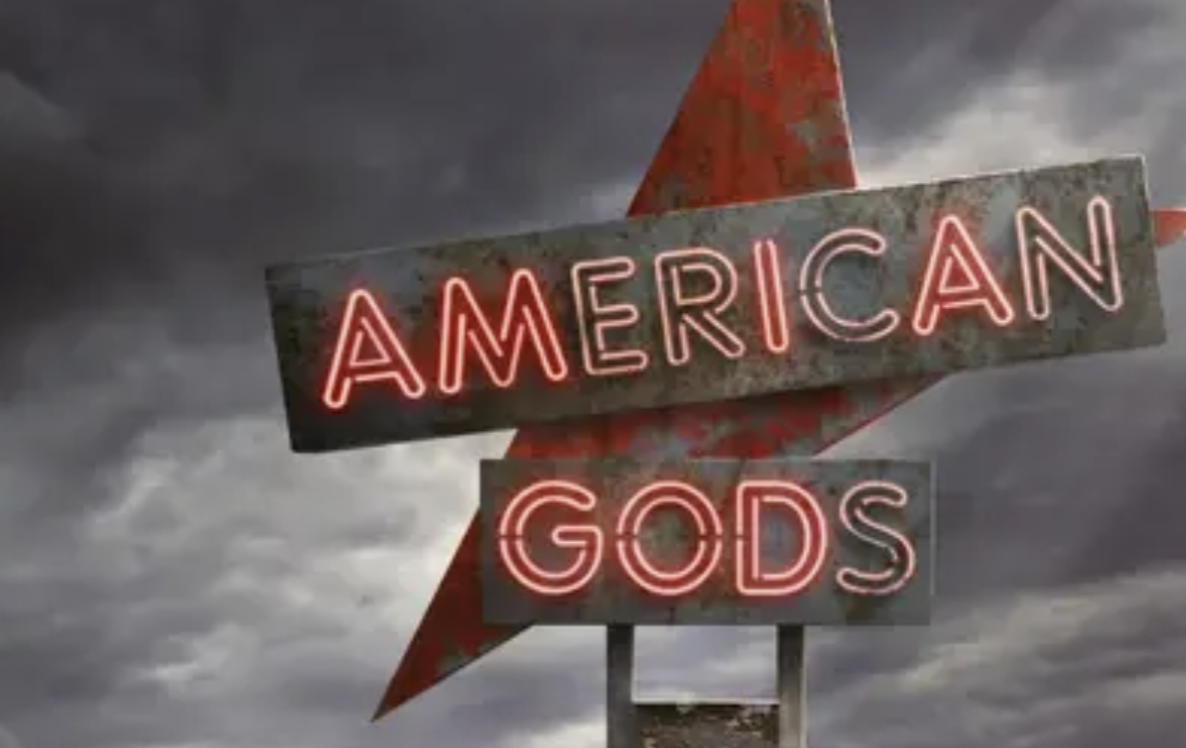
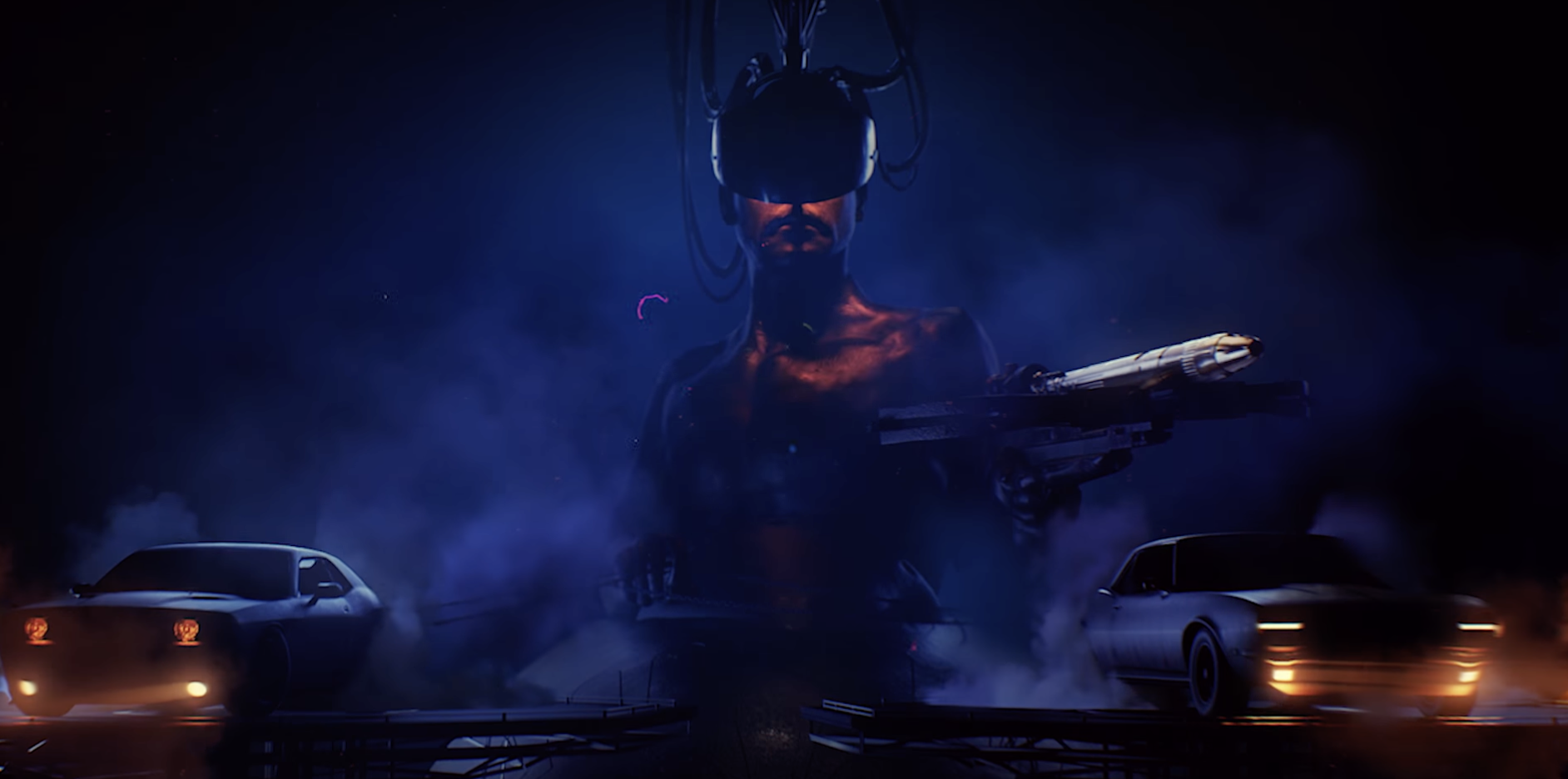
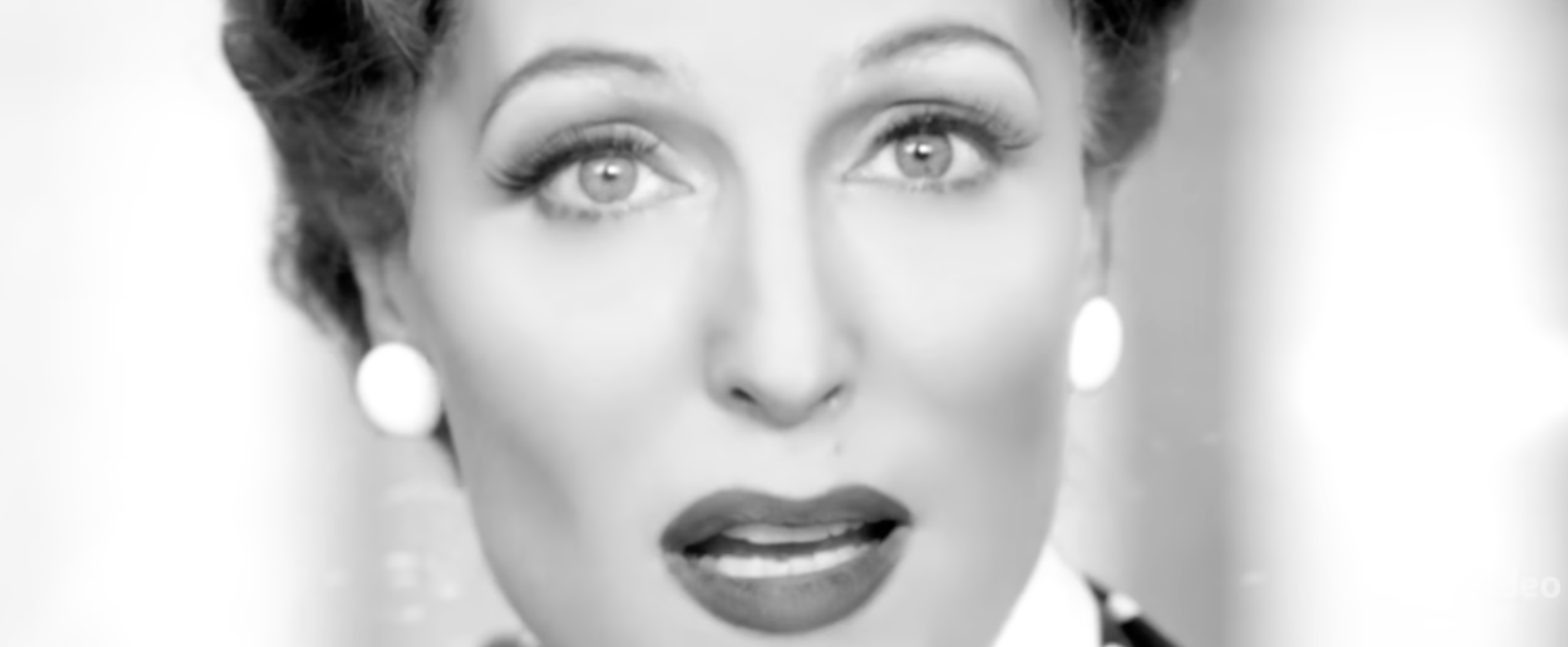
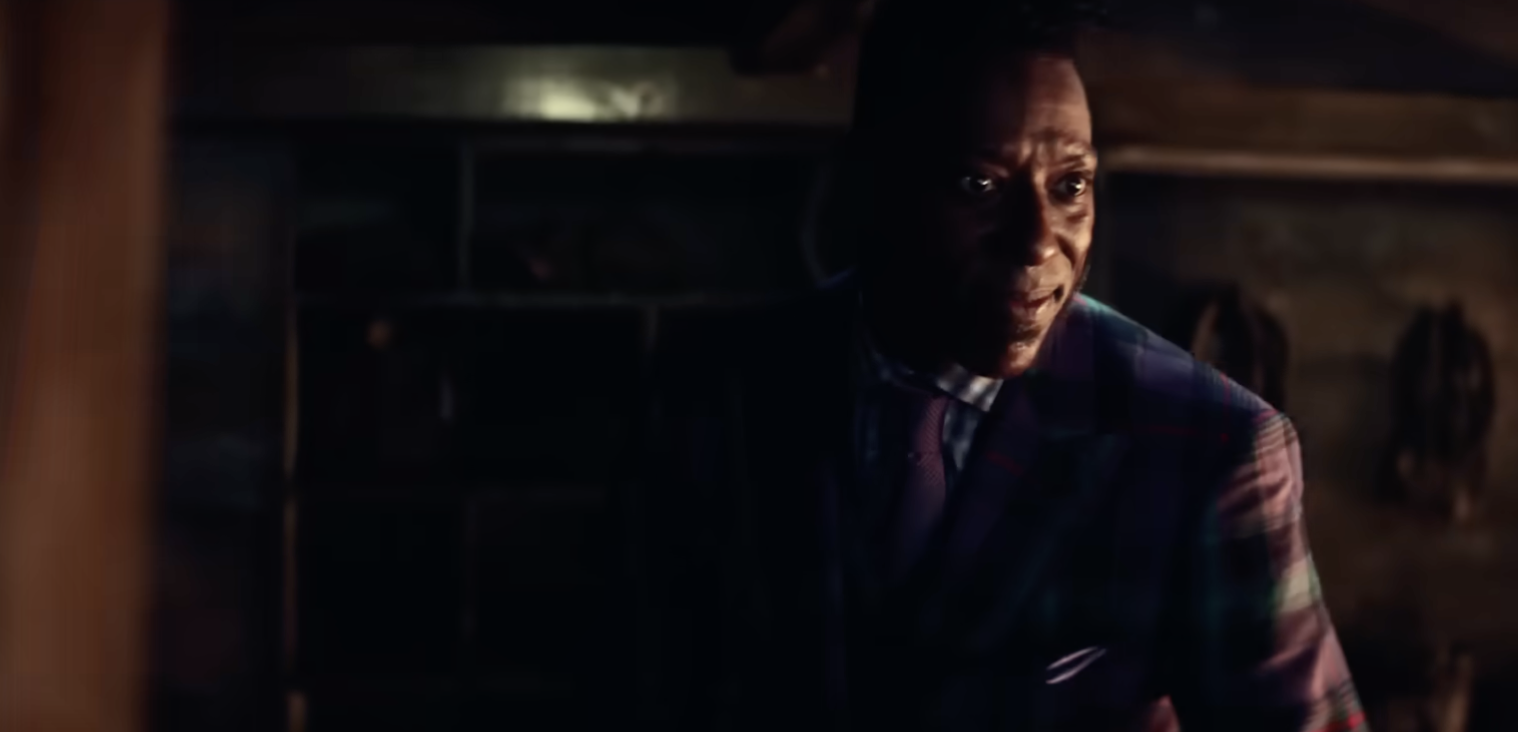
Neon Idols and Bleeding Flags: The Beautiful Blasphemy of American Gods “American Gods” didn’t just arrive on television in 2017; it swaggered in like a half-drunk rock star clutching a theology textbook and a lava lamp. Adapted from Neil Gaiman’s 2001 novel, the Starz series positioned itself as prestige TV with a punk sensibility: a road trip through the American subconscious where belief is currency, gods are immigrants, and the real war is between nostalgia and the algorithm. You felt that ambition instantly in the opening title sequence, a one-minute visual thesis statement that promised a show about nothing less than the soul of the United States. Before the behind-the-scenes chaos; the high-profile firings, the budget fights, the departures of key cast and creatives. “American Gods” had the makings of a genre-defining classic. The tragedy is how clearly you can see that potential, concentrated in those titles like lightning in a bottle.Decoding the Title Sequence: A Neon Cathedral to Belief The opening sequence, designed by Elastic (the studio behind iconic titles for “Game of Thrones” and “True Detective”), plays like a sacrilegious museum exhibit of American worship. Instead of stained glass and incense, we get fluorescent crosses, neon Buddhas, and a totem pole made of televisions, guns, and credit cards. A towering hybrid statue of the Statue of Liberty fused with religious iconography looms over the imagery, while a glowing American flag pulses like a glitchy screen saver. The sequence is built around the idea, central to Gaiman’s book, that gods are created and sustained by human belief and that in America, belief has migrated from altars to screens, brands, and tech. Elastic’s creative director Patrick Clair has described their approach as creating “a kind of techno totem pole” that visualizes how “modern worship is about technology, media and money as much as traditional religion” [Elastic, 2017 interview referencing American Gods title design]. Every frame works as a visual footnote to that thesis.Old Gods, New Gods, and the Weaponized Iconography of America What makes the sequence so sticky is how aggressively it mashes sacred and profane, old and new, in ways that echo the show’s mythology. We see a crucifix made of assault rifles, a Krishna-painted stripper pole, a neon Buddha against a backdrop of surveillance cameras, and an idol-like smartphone glowing in a shrine-like setting. These images aren’t just edgy for the sake of it; they literalize the show’s central conflict between Old Gods Odin; Anansi, Bilquis, and company, and New Gods like Media, Technical Boy, and Mr. World, who represent the worship of celebrity, technology, and globalized paranoia. Neil Gaiman has long argued that American culture “worships what it spends its time and money on,” whether that’s religion, television, or social media [Gaiman, various interviews on American Gods, e.g., NPR, 2011; TIME, 2017]. The titles compress that idea into a rapid-fire collage: guns as fetish objects, Vegas slot machines as chapels, and the American flag literally overlaid on religious symbols, suggesting the way nationalism can function as a faith of its own. The result isn’t subtle, but it’s not meant to be, it’s a manifesto.The Promise of a Modern Mythology Before the Storm The audacity of that title sequence matched the promise of the show’s early run. Season 1, shepherded by co-showrunners Bryan Fuller (“Hannibal,” “Pushing Daisies”) and Michael Green (“Logan”), was a lush, surreal adaptation that expanded Gaiman’s world while staying true to its themes. Critics praised its visual invention and thematic ambition; the season holds a Certified Fresh rating in the mid-90s on Rotten Tomatoes and was repeatedly singled out for its bold storytelling and striking imagery [Rotten Tomatoes, American Gods Season 1]. Episodes like “A Prayer for Mad Sweeney” and the Bilquis-centered “Come to Jesus” deepened side characters into full tragic figures, while Mr. Nancy’s fiery “angry get shit done” speech about the Middle Passage became one of the most talked-about monologues of 2017 television [Starz; episode “The Secret of Spoons”]. Starz quickly renewed the show for a second season before the first had even finished airing, a sign of how much faith the network had in its potential. In an era already crowded with prestige genre like “Westworld,” “The Handmaid’s Tale,” and “Legion”, “American Gods” still felt singular: a show about immigration, race, capitalism, and identity dressed up as a road-trip fantasy with a god who lives in a motel and a leprechaun who can’t keep his coin.Controversy, Departures, and the Fragmented Future That Never Was Then the behind-the-scenes drama began to eclipse the on-screen mythology. In late 2017, Fuller and Green exited the series amid reported budget disputes and creative clashes with Fremantle and Starz, with outlets like Variety and The Hollywood Reporter noting that the show’s elaborate visual style came with a high price tag and disagreements over how closely to stick to Gaiman’s novel [Variety, Nov. 29, 2017; THR, Nov. 29, 2017]. Jesse Alexander was named showrunner for Season 2, but his tenure was rocky; reports surfaced of rewrites, delays, and a “chaotic” production that saw him effectively sidelined before the season even aired [THR, Sept. 11, 2018]. Cast departures followed: Gillian Anderson (Media) and Kristin Chenoweth (Easter) did not return after Fuller and Green left, stripping the New Gods and Old Gods factions of two of their most charismatic avatars. Later, Orlando Jones, who played Mr. Nancy, said he was fired before Season 3, alleging that a producer told him his character was “the wrong message for Black America”, a claim Fremantle disputed but which sparked outrage among fans and industry observers [Variety, Dec. 14, 2019]. Add in the controversial exit of Pablo Schreiber (Mad Sweeney) and the recasting of Media as “New Media,” and the show’s once-cohesive pantheon began to feel like a fractured congregation. By the time Starz canceled “American Gods” after Season 3 in 2021, with talk of a possible wrap-up movie that has yet to materialize, it was hard not to see it as a casualty of its own behind-the-scenes wars [Deadline, Mar. 29, 2021]. The title sequence, with its clashing idols and weaponized symbols, ended up as an accidental metaphor for the series itself: a brilliant, provocative collision of ideas and aesthetics that never fully resolved into the towering myth it was aiming for. In the neon glow of those opening images, you can still glimpse the alternate timeline where “American Gods” became the definitive TV epic about belief in the 21st century instead of one more beautiful, broken cult object. "American Gods" is currently streaming for free on Tubi.
 American Gods: What Could Have Been